The History of the Corkscrew
From the musketeers’ tool to collector’s item – more than 340 years of inventive genius.
A journey through time
From the musket worm to the design icon.
In his ‘Treatise on Cider’, John Worlidge describes storing tightly corked cider bottles on their sides – so the corks had to come out again.
First written English mention of a ‘steel worm used for the drawing of Corks out of Bottles’.
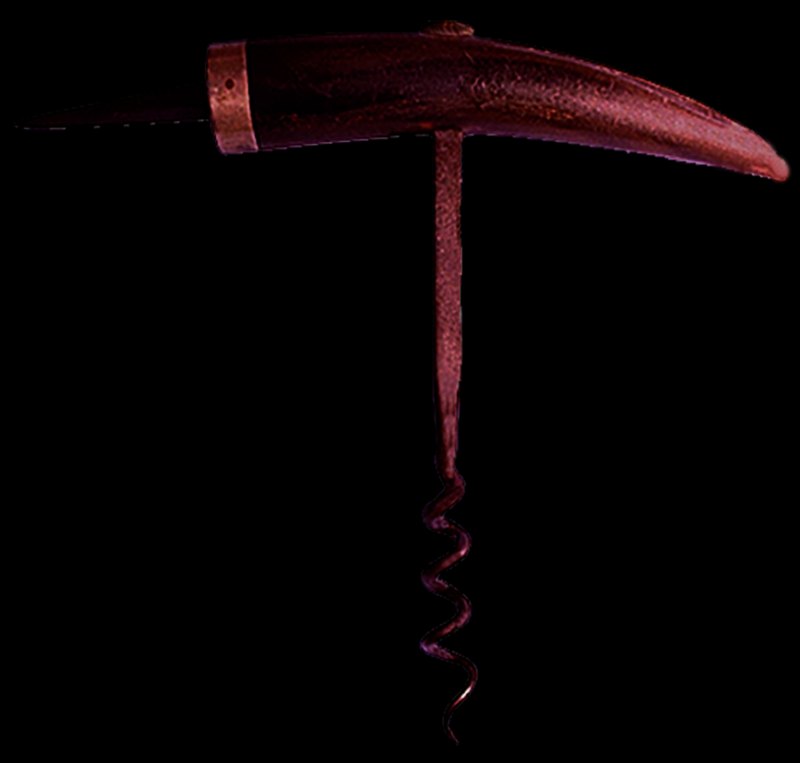
The oldest documented corkscrew according to Guinness World Records: a French steel model of cage construction.
Dublin cutler Thomas Read makes the Irish ‘Read’s Coaxer’.
The Reverend Samuel Henshall receives the first corkscrew patent in England (No. 2061) – for the ‘Henshall button’ between the worm and the shank.
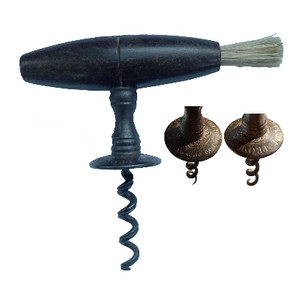
Birmingham manufacturer Edward Thomason receives British patent No. 2617 for his mechanical corkscrew ‘Ne Plus Ultra’.
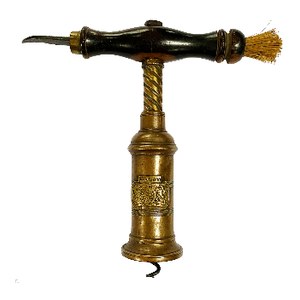
The Hyatt brothers patent celluloid – later the typical material of many pocket corkscrews.
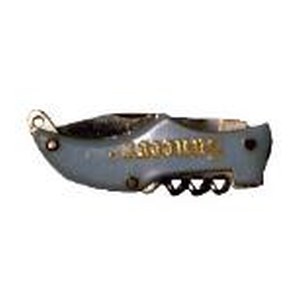
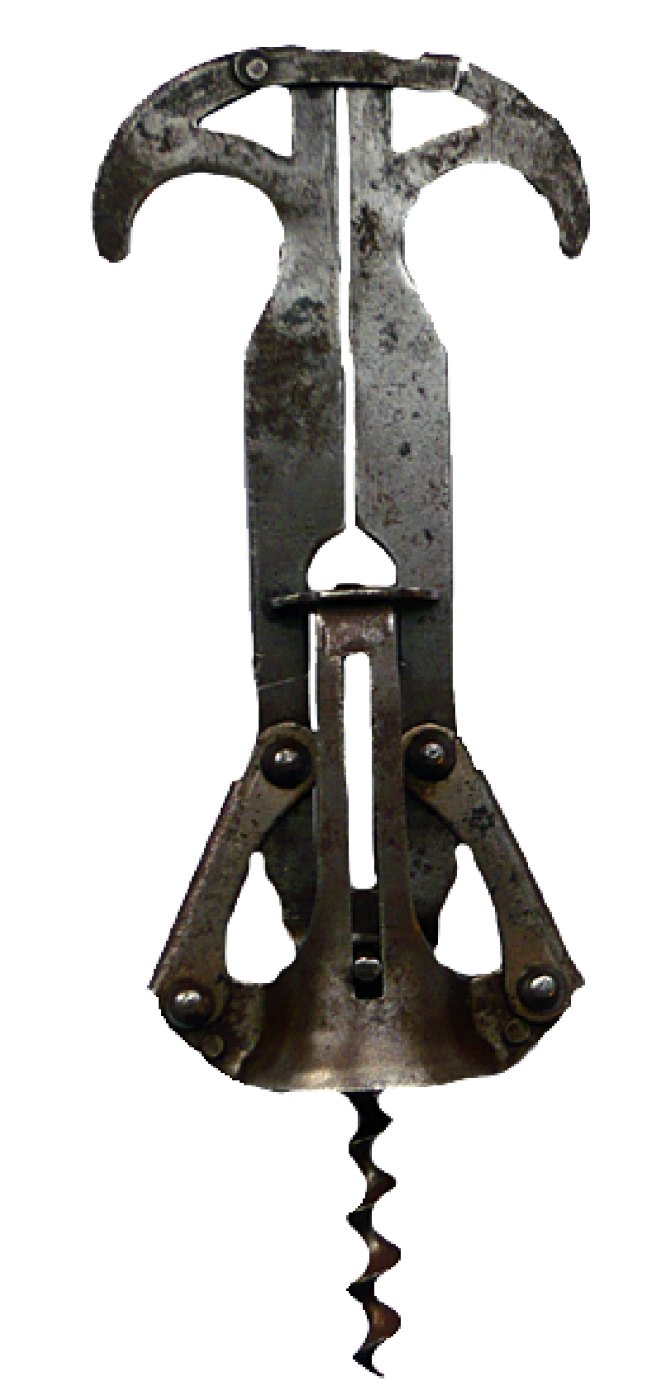
William Burton Baker receives British patent No. 2950 for a double-lever corkscrew.
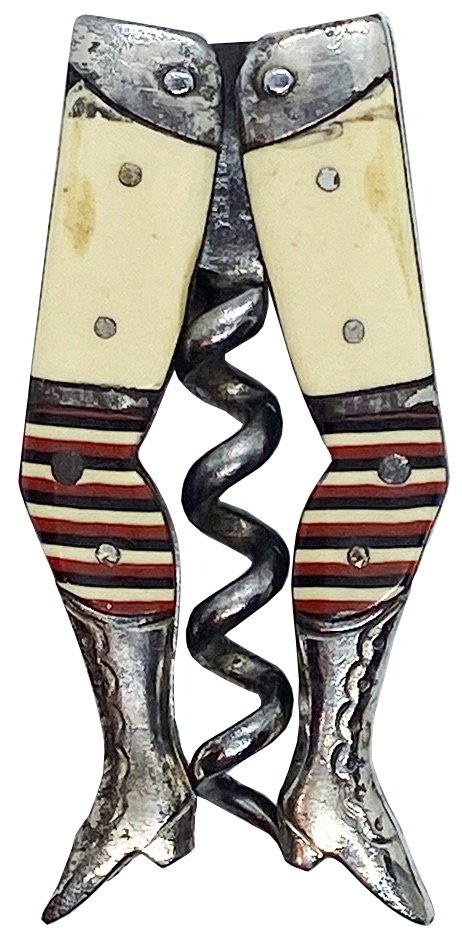
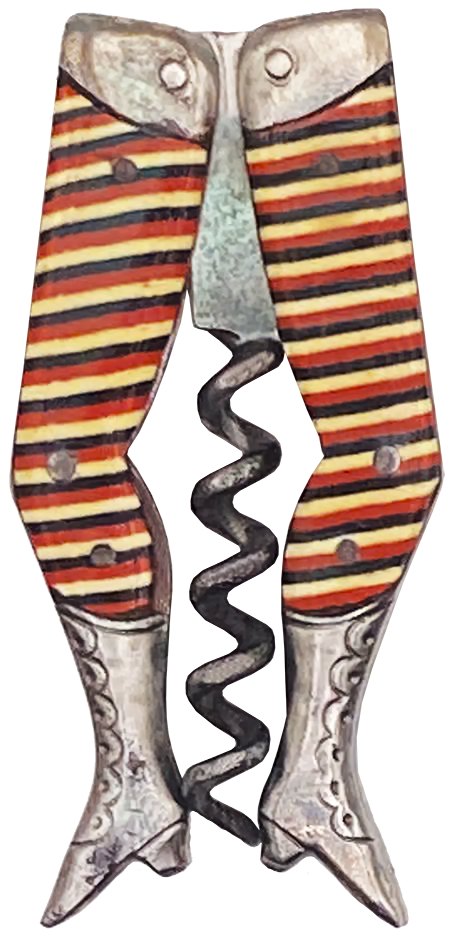
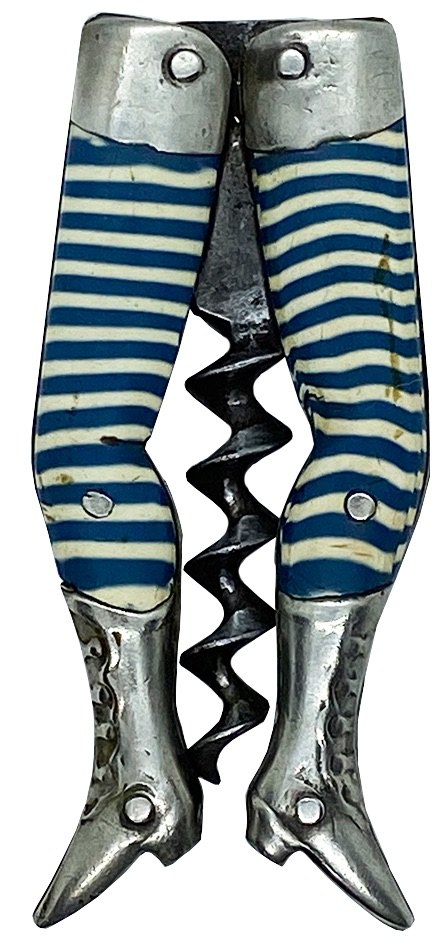
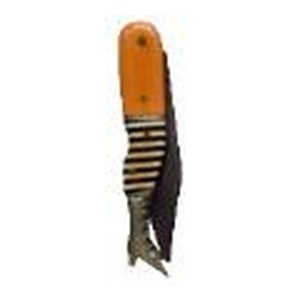
Ernst Reimer founds his knife factory in Solingen – in 1894 it becomes Steinfeld & Reimer, maker of the LADY LEGS.
The German Carl F. A. Wienke files his ‘corkscrew with single-arm lever’ – the waiter’s friend is born.
Wienke’s waiter’s friend is also patented in the USA.
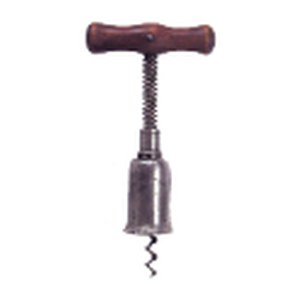
Emil Dunisch and Wilhelm Schöler receive German patent No. 27175 for the ‘Hercules’, a bottle-top corkscrew with a coil spring.
Stephen Plant patents the ‘Wulfruna’ in England (No. 5549), Ernst Demmler the ‘Perpetual’ in Germany (No. 28963).
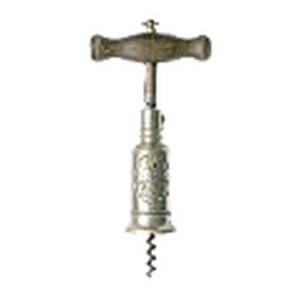
Adolph Holstein founds the Syracuse Ornamental Company in Syracuse (New York) – later Syroco.
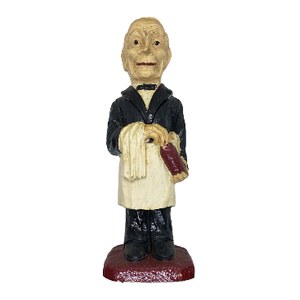
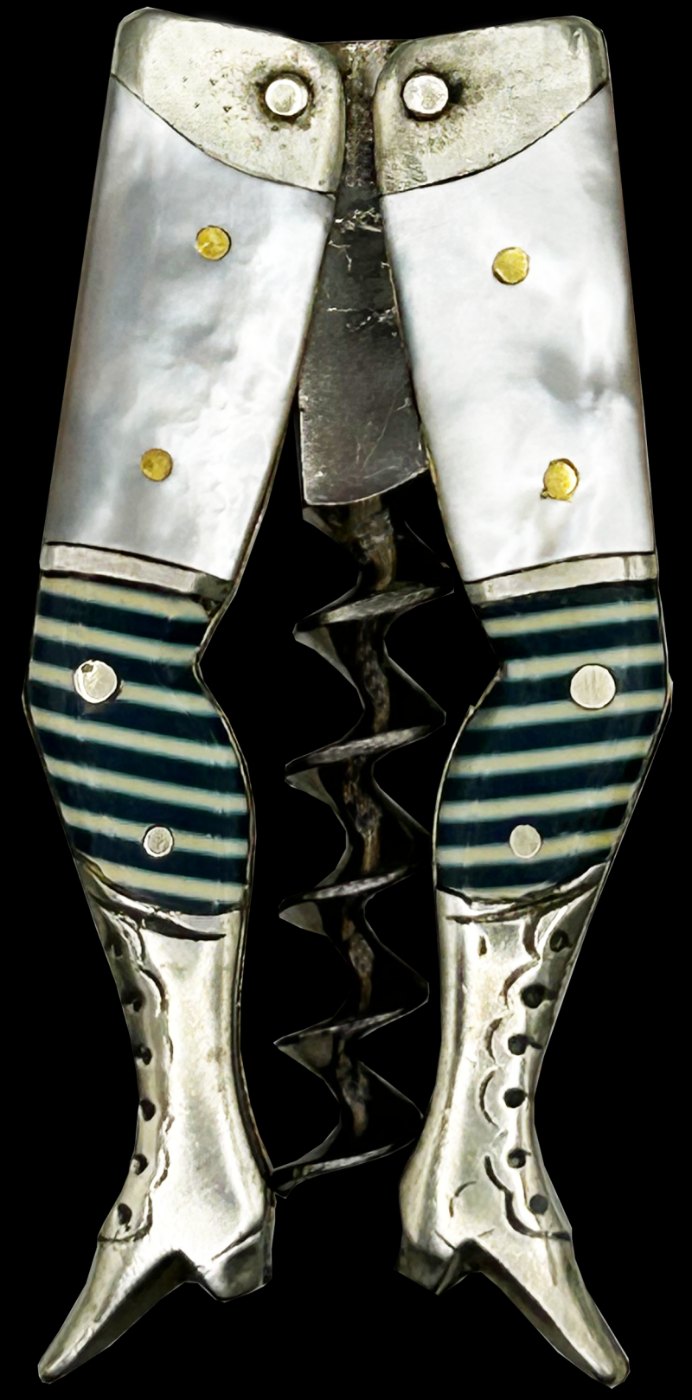
Steinfeld & Reimer patent the LADY LEGS (‘Can-Can’ legs) (No. 21718).
Anton Riffeser builds up the wood-carving firm ANRI in Val Gardena (South Tyrol).
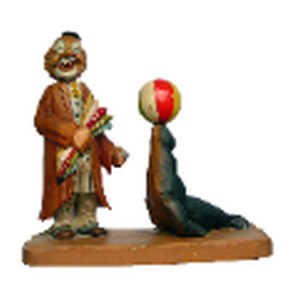
The Italian Domenico Rosati, a barman in Chicago, receives the first US patent for a wing corkscrew.
The Spaniard David Olañeta designs the owl-shaped wing corkscrew with concealed rack for his brand BOJ.
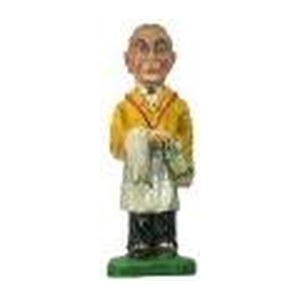
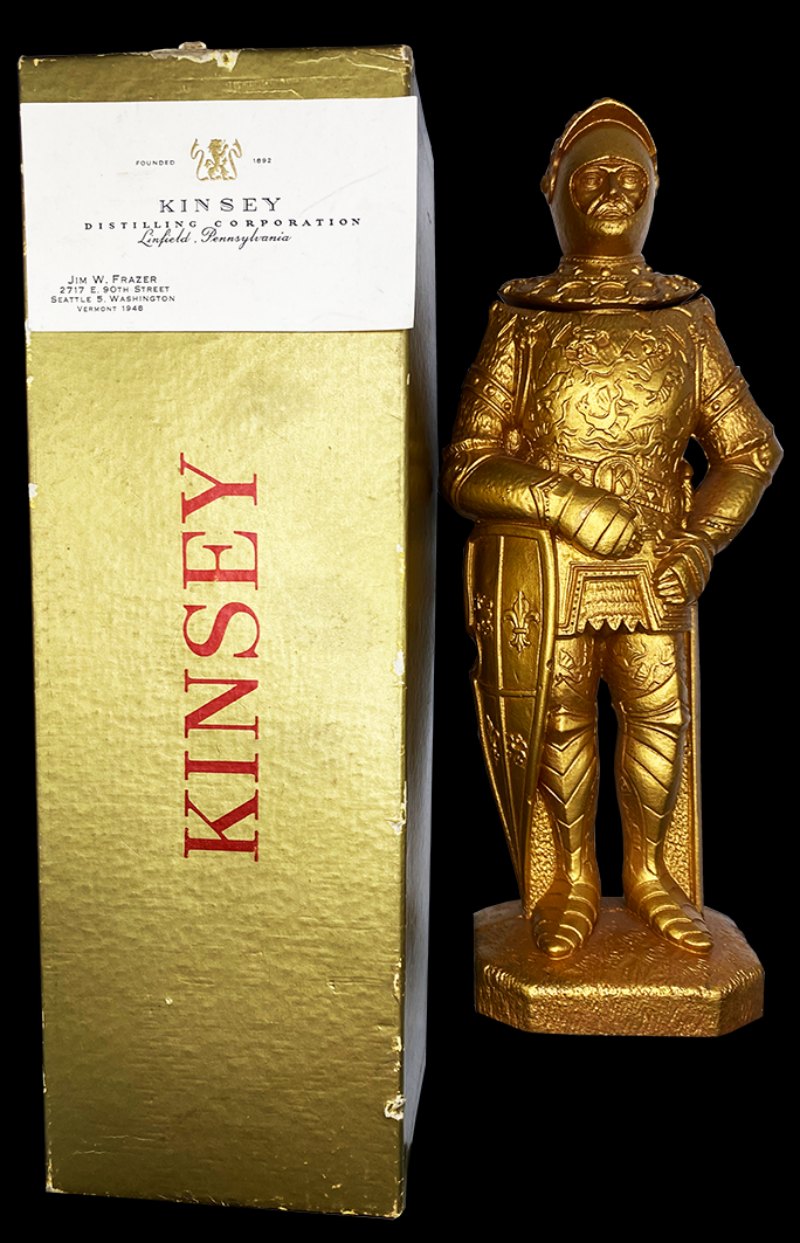
Syroco launches figural corkscrews – Waiter, Butler, Clown, Monk and the coveted Golden Knight.
The ICCA (International Correspondence of Corkscrew Addicts) is founded at the Guinness brewery in London.
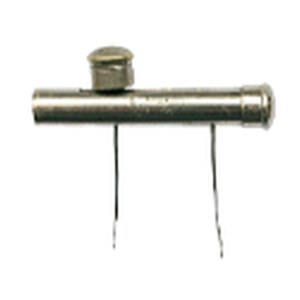
Herbert Allen introduces the ‘Screwpull’ with a Teflon-coated worm.
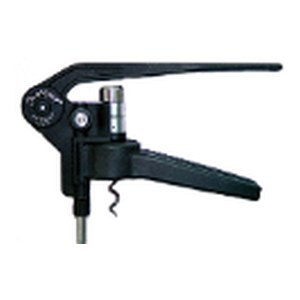
The Canadian Corkscrew Collectors Club (CCCC) is founded.
Andy Breitenmoser buys his first corkscrew on Portobello Road – for one pound.
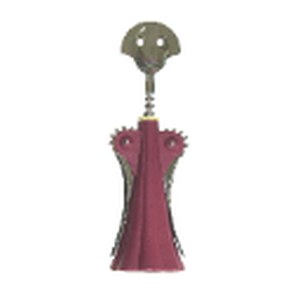
Alessi launches Alessandro Mendini’s ‘Anna G.’ corkscrews.
The first association for corkscrew collectors in Germany is founded, the ‘Verein Korkenzieherfreunde’.
A memorial plaque to Henshall is unveiled in his church in Bow (London).
Six chapters of corkscrew history
A child of the glass bottle
The corkscrew is a child of the glass bottle. When, in 17th-century England, wine, beer and above all cider were increasingly bottled in glass and stored on their sides, the corks sat so tightly in the neck that they could no longer be removed by hand. The solution lay, quite literally, in the armoury: with the ‘gun worm’, a steel spiral, soldiers had been extracting stuck charges from musket barrels since around 1630.
A clergyman makes technological history
On 24 August 1795 a clergyman made technological history: the Reverend Samuel Henshall was granted the first patent for a corkscrew. His idea was strikingly simple – a small, slightly domed disc between the worm and the shank, the ‘Henshall button’. It stops the worm before it pierces the cork and forces the cork to turn with it as the handle is turned further, so that it comes loose from the neck of the bottle.
The century of the tinkerers
In the 19th century the tool became a field for inventors. Levers, racks, springs and threaded barrels were meant to make extraction easier: in 1880 William Burton Baker protected a double-lever corkscrew in England, in 1883 Emil Dunisch and Wilhelm Schöler received a German patent for the ‘Hercules’ (a bottle-top corkscrew), and in 1884 came Stephen Plant’s ‘Wulfruna’ and Ernst Demmler’s ‘Perpetual’. There was tinkering in France too, for example with Perille’s mechanical corkscrews from Paris.
America and the figural corkscrews
From the late 19th century, America developed its own, often playful corkscrew culture. Large manufacturers such as the Williamson Company in Newark (New Jersey) produced on a mass scale – and supplied, among other things, the worms for one of the best-known names in the collecting world: Syroco. The Syracuse Ornamental Company was founded in 1890 by the immigrant wood carver Adolph Holstein in Syracuse (New York).
Mass production, advertising, souvenirs
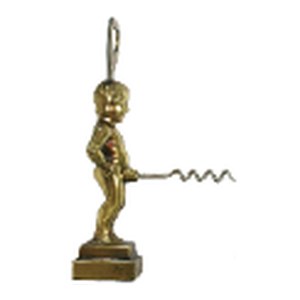
In the 20th century the corkscrew finally became a mass-produced item – and an advertising medium and keepsake. Figures in zinc die-cast (pot metal), animals, local motifs, brewery and whisky advertising: countless corkscrews and bottle openers were sold as souvenirs or promotional gifts. In 1932 the Spaniard David Olañeta gave the wing corkscrew the shape of an owl for his brand BOJ; in the USA the ‘Hootch-Owl’ by Richard Smythe followed in 1936.
Collecting today
Organised corkscrew collecting began in 1974: the London physician Dr Bernard Watney, who worked for the Guinness brewery, and the American professor Dr Homer Babbidge founded the International Correspondence of Corkscrew Addicts (ICCA) at the Guinness brewery on 1 October.
Astonishing but true
Curiosities from the world of corkscrews.
Test your knowledge
Eight questions about corkscrews – can you get them all right?