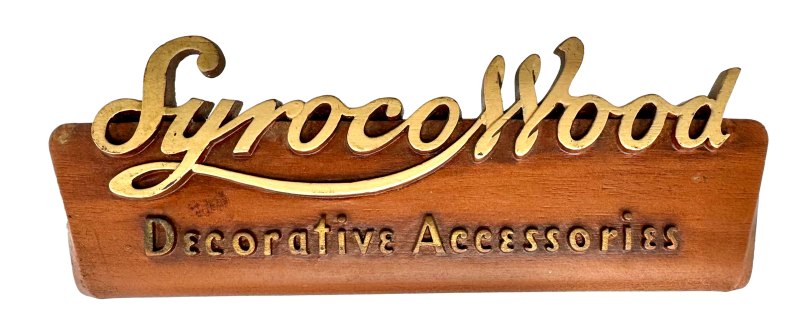
Syroco
Waiters, butlers, clowns and the legendary Golden Knight – pressed wood figures from Syracuse, New York.
‘Today I’m completely smitten with these figures’
One waiter turned into a passion: by 2004 the collection already comprised well over 150 models, and in the same year Andy’s book about the Syracuse Ornamental Company was published. Today there are around 180 Syrocos.
From wood carving to cult brand
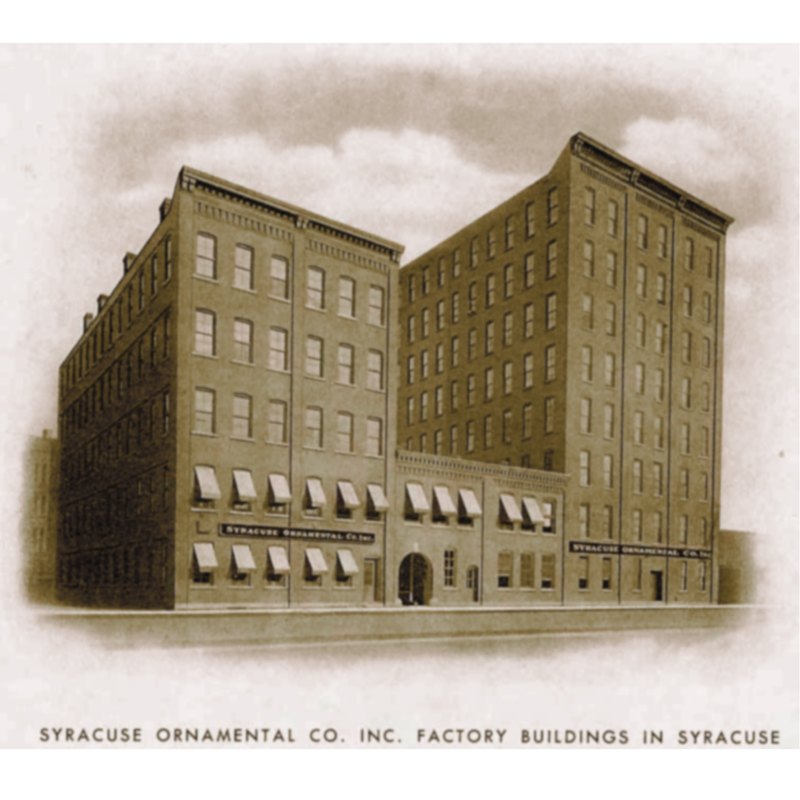 1890
Immigrant wood carver Adolph Holstein founds the Syracuse Ornamental Company in Syracuse (New York).
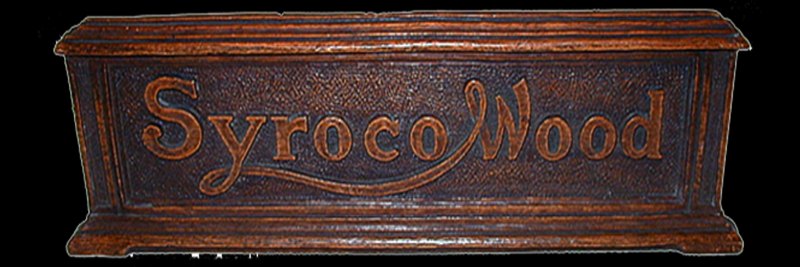 1920s
The wood compound is invented: wood flour, starch, waxes and resins – pressed into moulds ‘down to the last detail’.
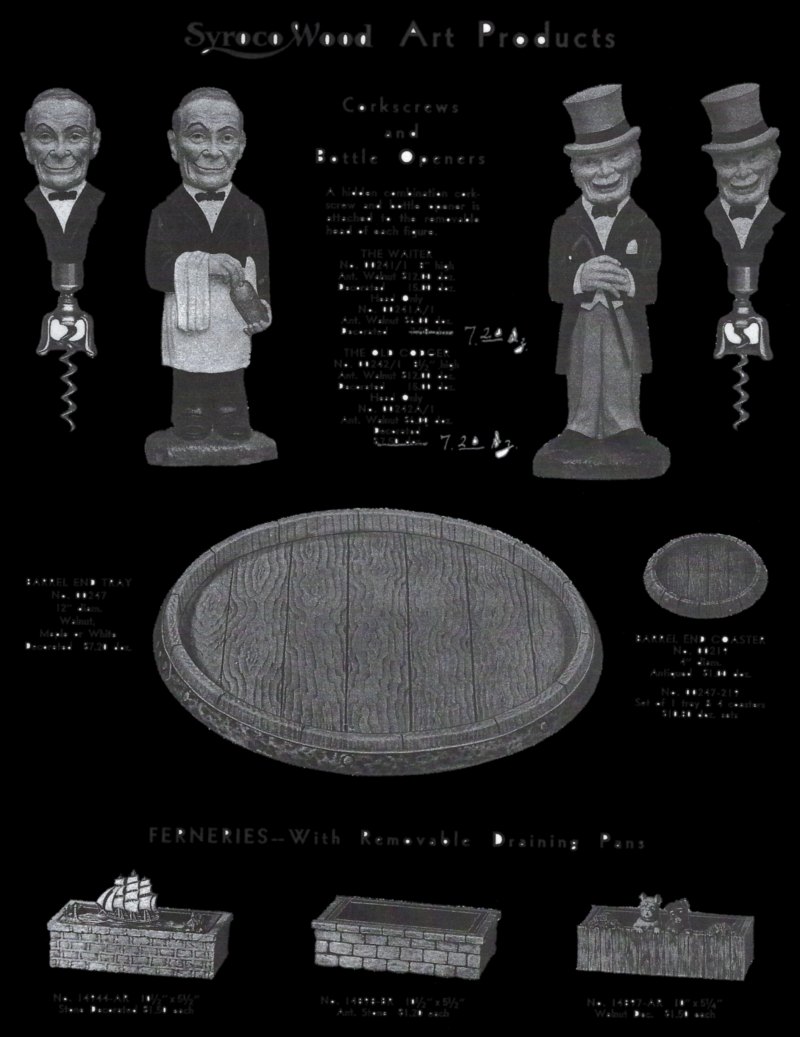 1935
First corkscrew in a Syroco catalogue (according to Andy’s book).
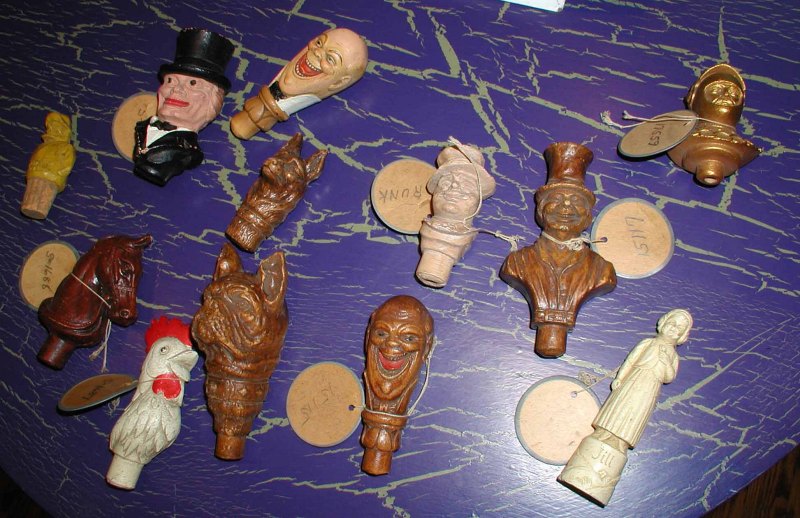 1940–1950
The heyday of the figural corkscrews – the mechanism is supplied by Williamson of Newark.
 1950
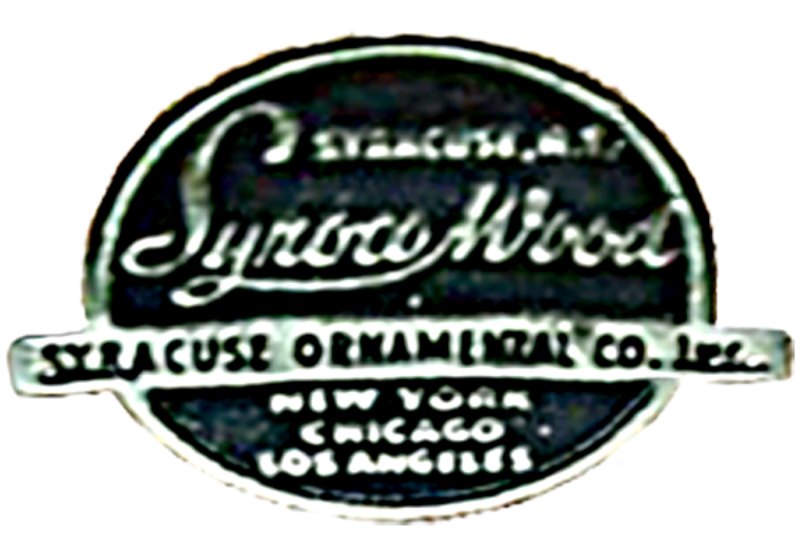
Los Angeles is added as the third showroom – an important clue for dating.
 1992
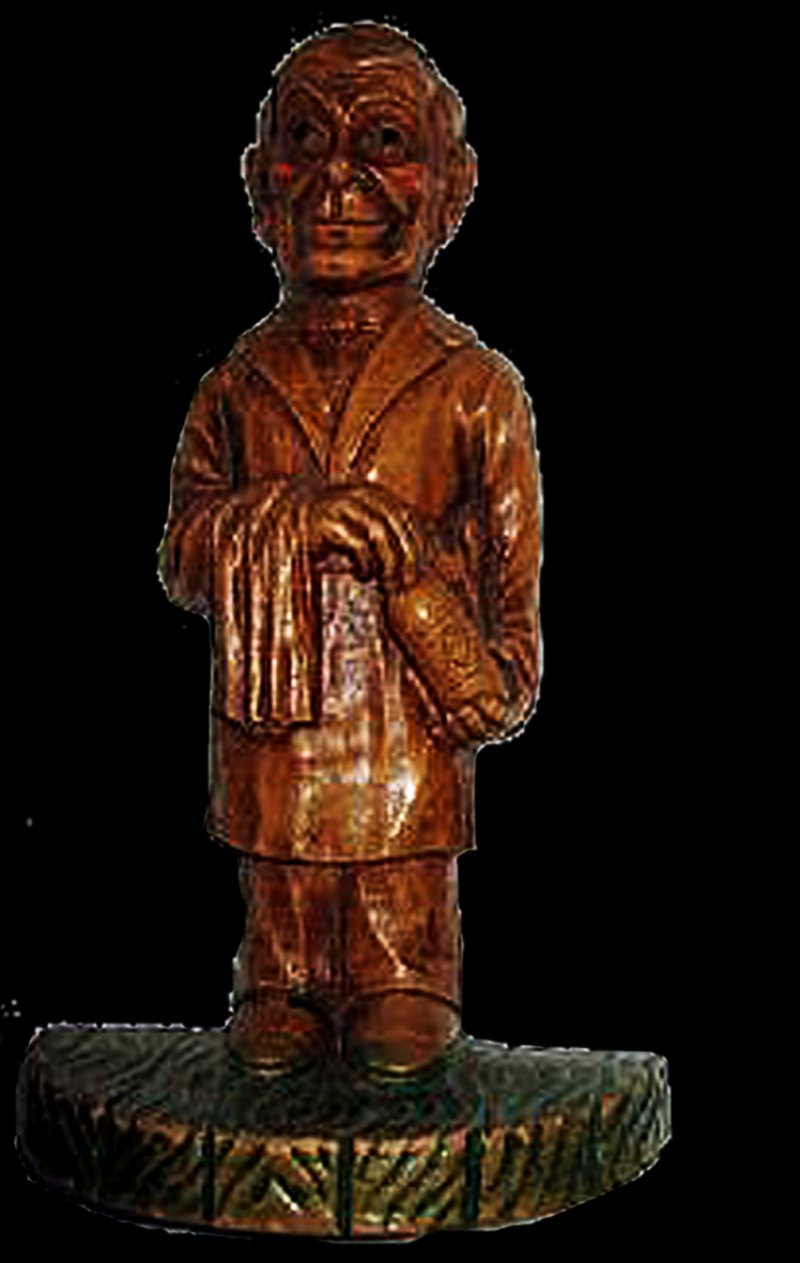
Andy buys his first Syroco: the Waiter.
 1990
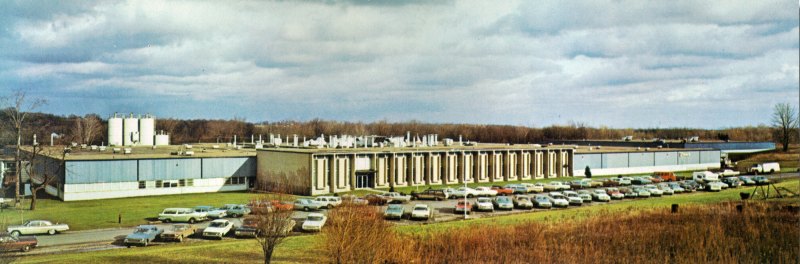
A fire destroys almost all catalogues, moulds and archives.
 2004
Andy’s book ‘Syracuse Ornamental Company – Die Privatsammlung’ is self-published.
 2007
The last Syroco plant closes.
How a Syroco was made
In ten steps from Swiss pear wood to finished figure.
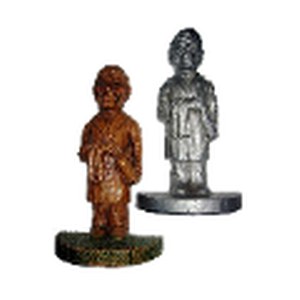
A gem of the collection: a Monk blank, rejected at quality control – without worm and without finish, it shows what a Syroco looked like ‘naked’.
The figures
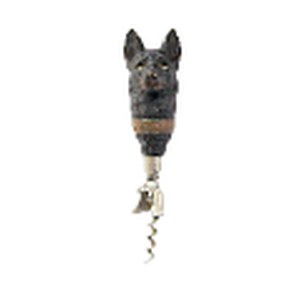
Whole figures with removable heads, heads on their own – and the Scotty as a whole dog.
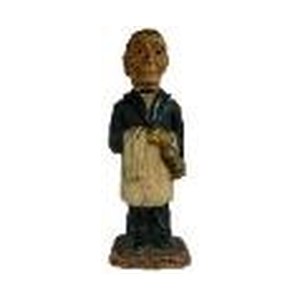
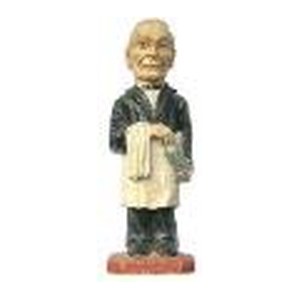
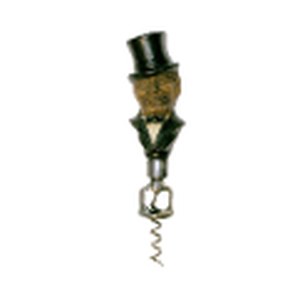
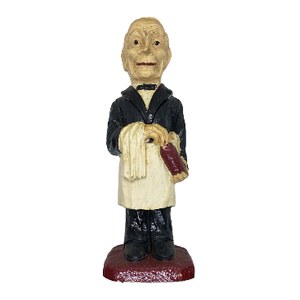
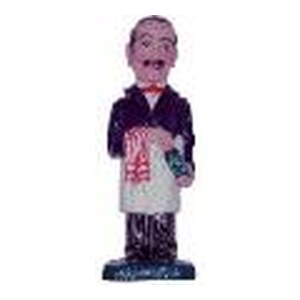
The Waiter
The best-selling Syroco – and Andy’s very first. Painted or in walnut, rarely with a silver or gold bottle.
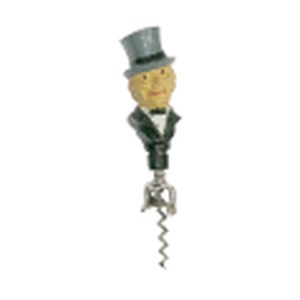
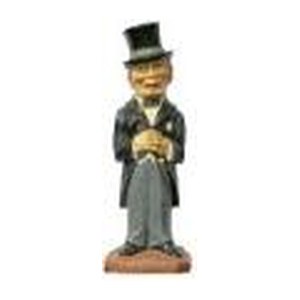
The Butler ‘Old Codger’
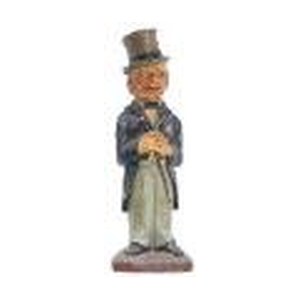
Black tailcoat, trousers and top hat from black to grey – made in three sizes.
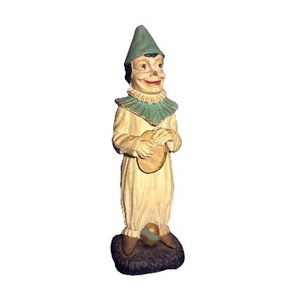
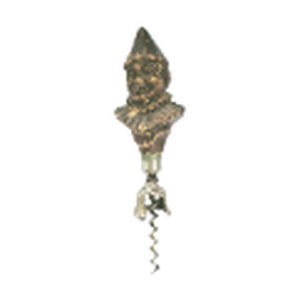
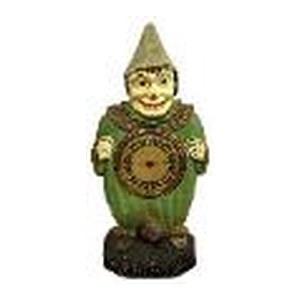
The Clown
The most colourful Syroco: as a harlequin, pale green or yellow – often with a ‘KING’ sticker.
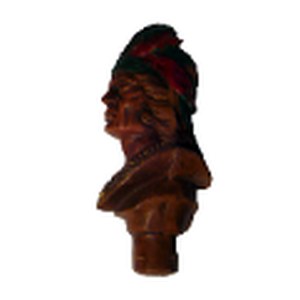
The ‘Indian’
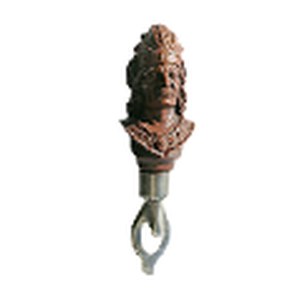
In two sizes, with a red and green feather headdress; the head also as an opener in antique red.
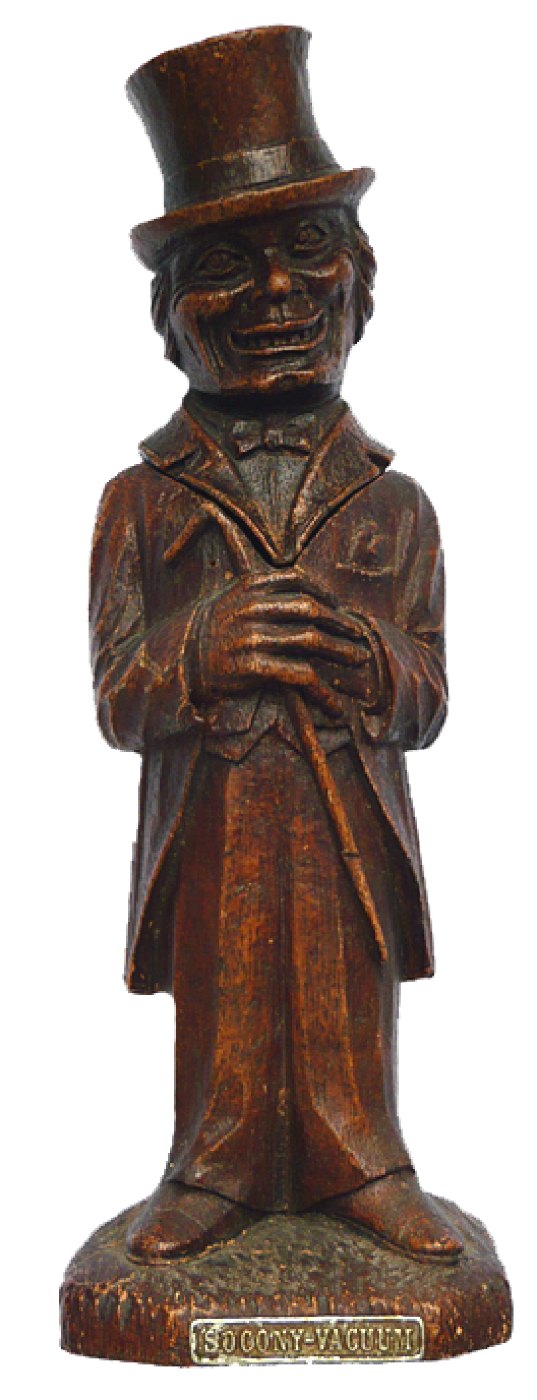
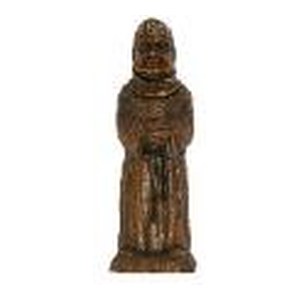
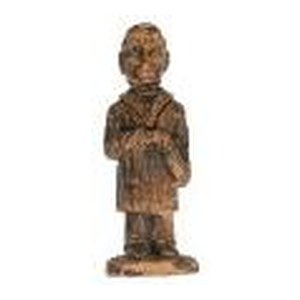
The Monk
Painted in shades of brown or stained – the head exists only as a self-puller.
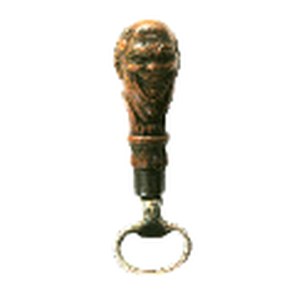
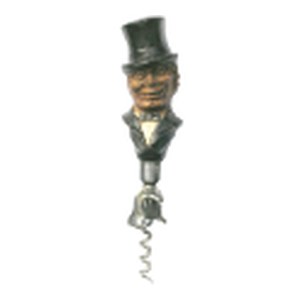
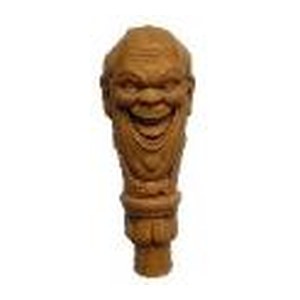
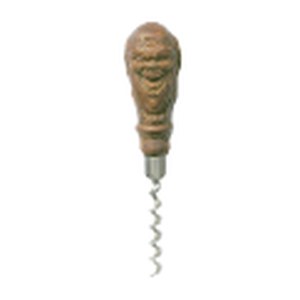
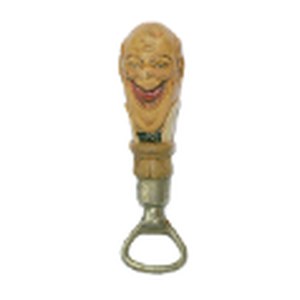
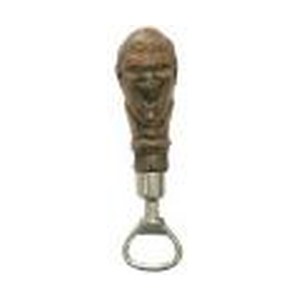
The Laughing Man
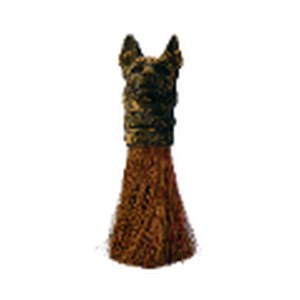
‘Without doubt the one with the most charisma’ – even as a shaving brush.
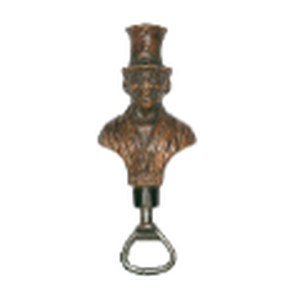
Pickwick
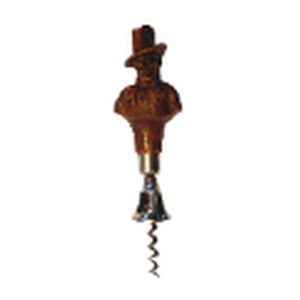
Tall hat, snub nose, raised eyebrows – with bell, as an opener or as a brush.
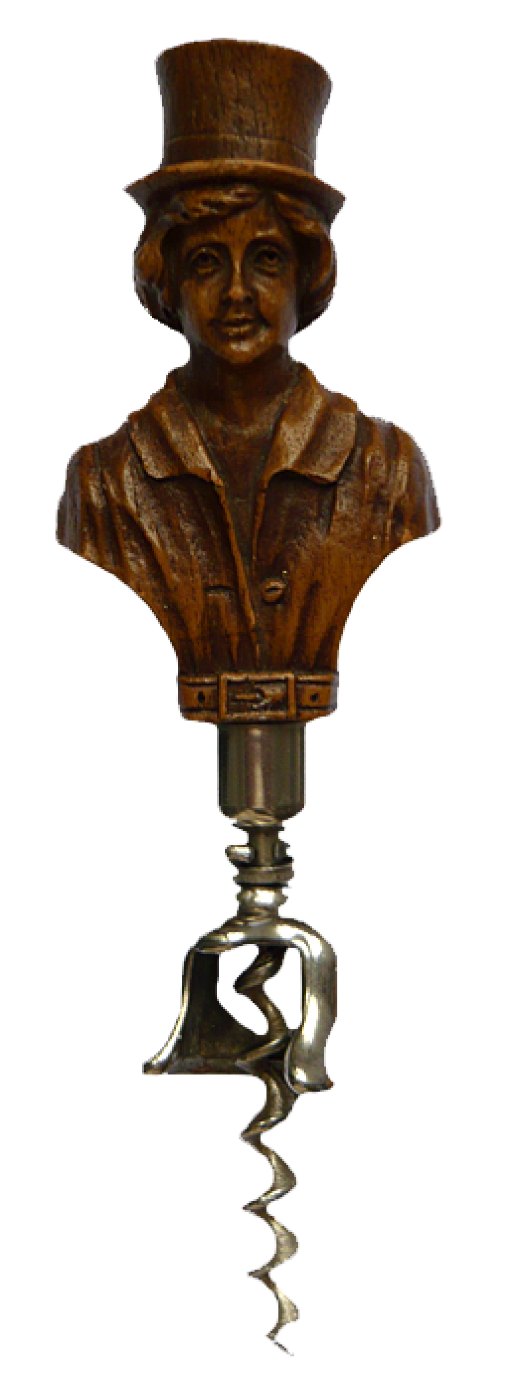
Copperfield
Named after the Dickens character – with bell, straight worm or as an opener.
The Tramp
Very rare, stained only – in 2004 just three self-pullers were known.
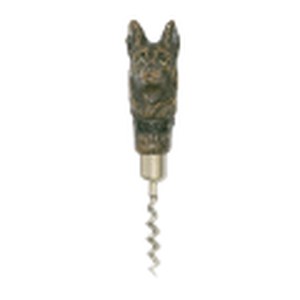
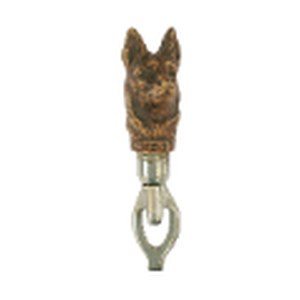
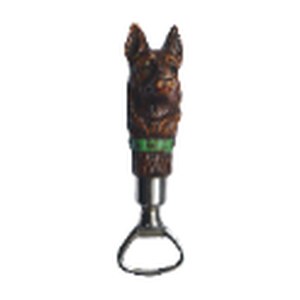
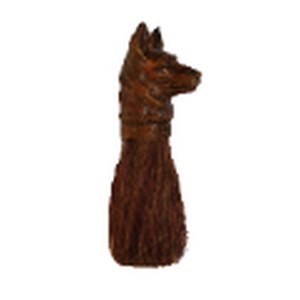
The German Shepherd
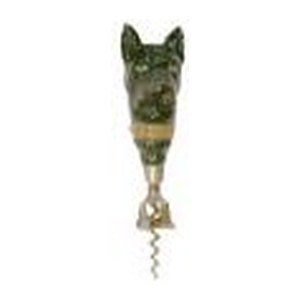
Also called the ‘Police Dog’ – the colour of coat and collar was left to the painter.
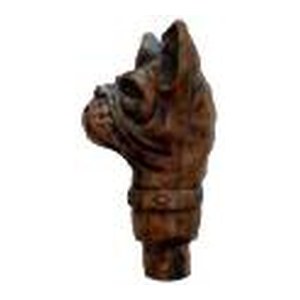
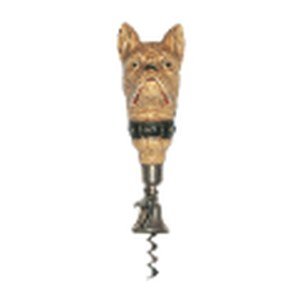
The Bulldog
In three colours and stained; the large one only with bell, the small one in all versions.
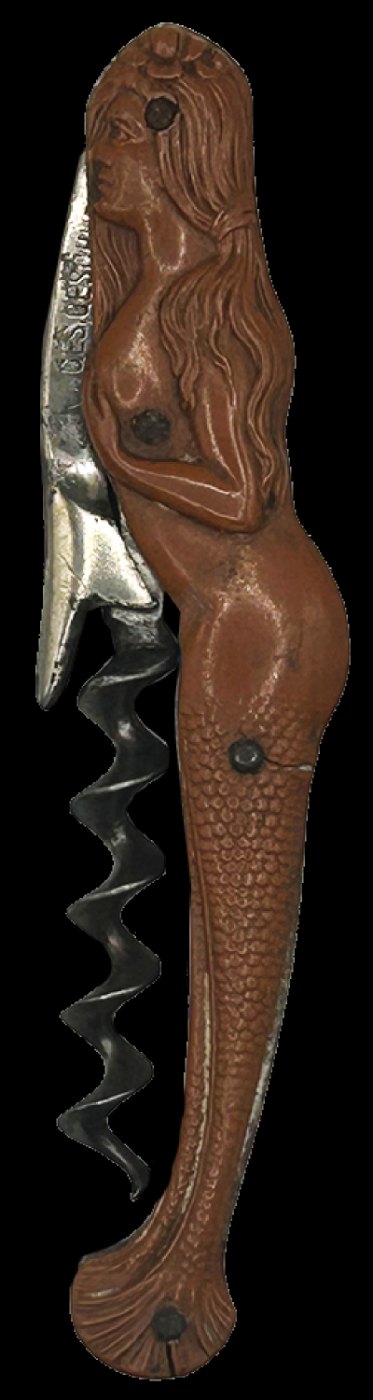
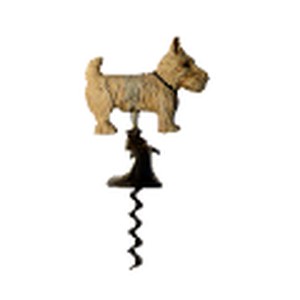
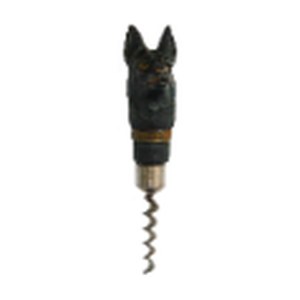
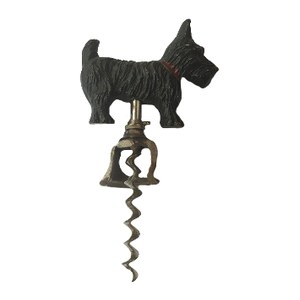
The Scotty
The only Syroco both as a whole dog and as a head – mostly black or white.
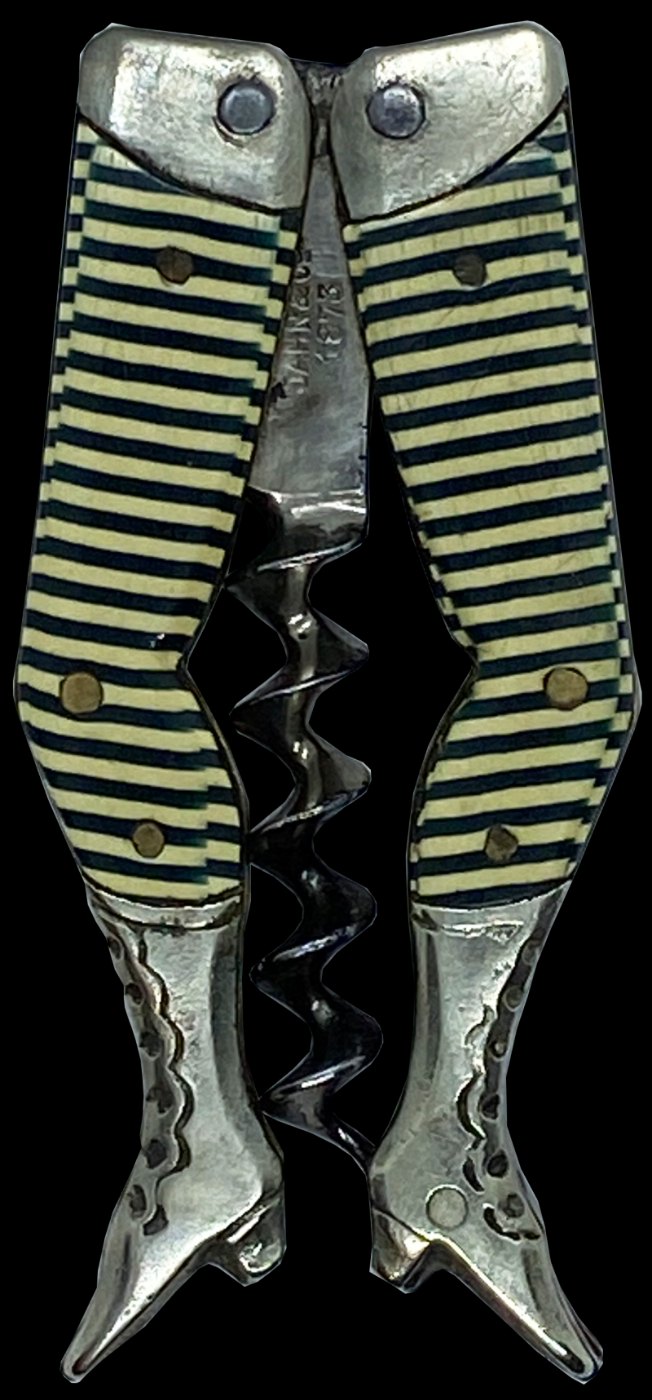
The Terrier
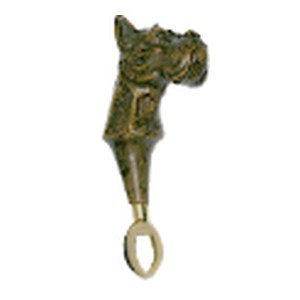
A relative of the Scotty: head with straight worm or as a bottle opener.
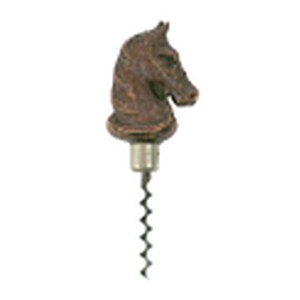
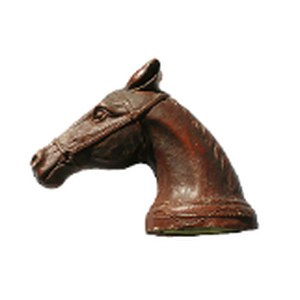
The Horse
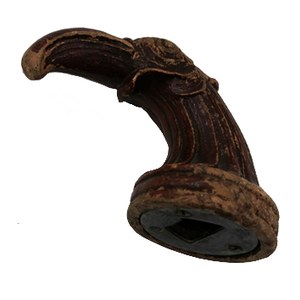
As a self-puller and as an opener in antique red – also as a horse-head opener.
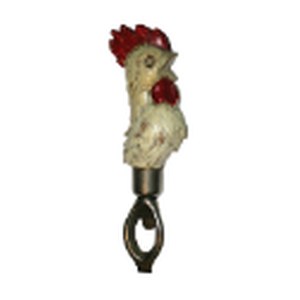
The Cockerel
Painted head with bell worm or as an opener – also in the sample collection.
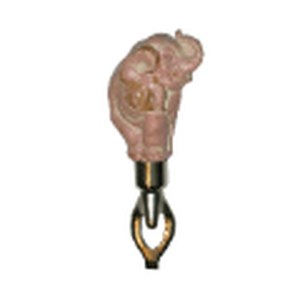
The Elephant
One of the few Syrocos with a whole body – painted or in walnut.
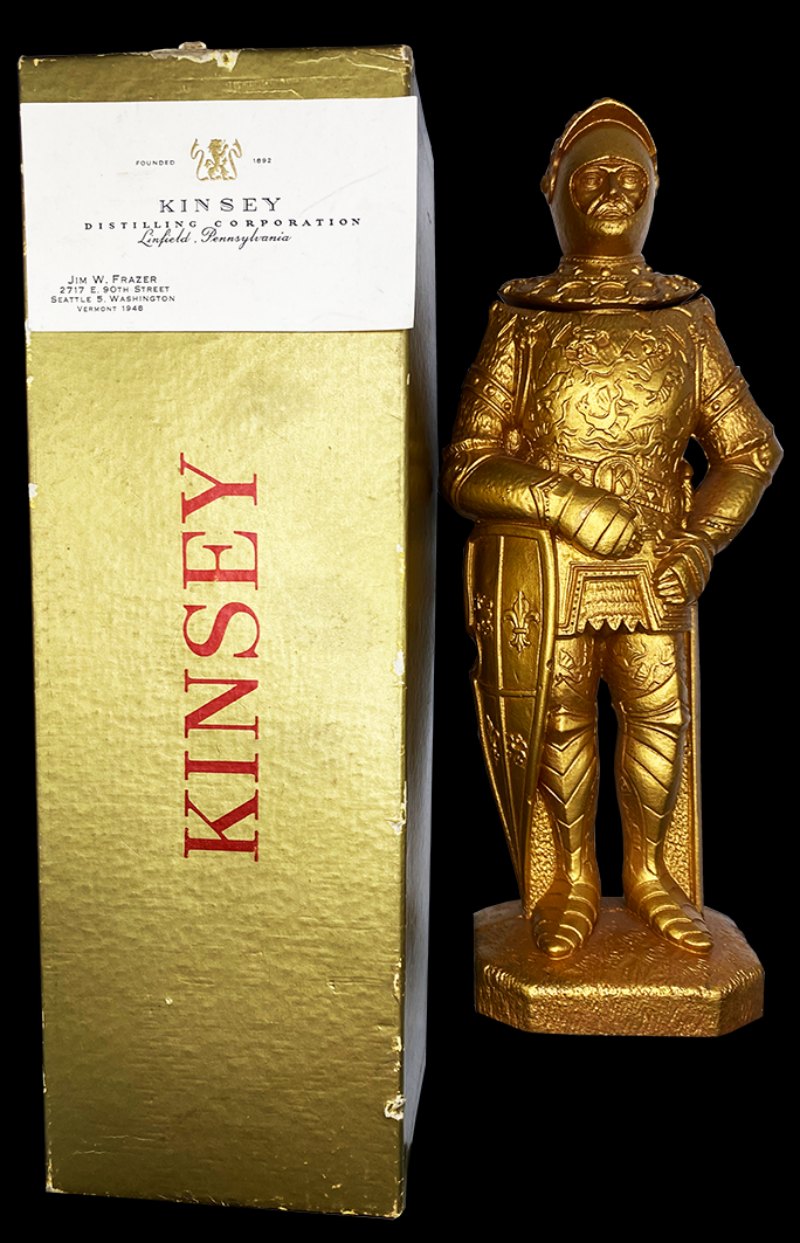
The Golden Knight
The most coveted of all Syroco corkscrews: larger than all the other figures (24.1 cm), always painted gold – and not shown in any known catalogue.
The whiskey trail: Golden Knights turned up in boxes of Kinsey Whiskey, and a Kinsey advertisement from 1946 shows a gold and a silver knight. The sticker, however, names three showrooms – a clue pointing to the period after 1950. An unsolved mystery – and that is exactly what makes it so appealing.
In Andy’s collection: a Golden Knight with a Kinsey connection (No. 1826).
Dating and identifying
Small details reveal the age.
Colour codes from the Syroco product lists
Date it yourself
Play Syroco detective: sticker, worm, surface – and you will know when your piece was made.
Syroco Dating Detective
Turn your Syroco over and take a close look – three clues reveal roughly when it was made.
Fantasy Syrocos from Appenzell
Artists from Appenzell have reinterpreted the Waiter for Andy – Syroco meets home.
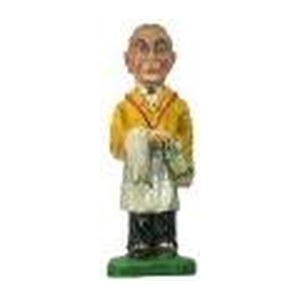
Markus Fischli
The Waiter, repainted by Markus Fischli, 2004.
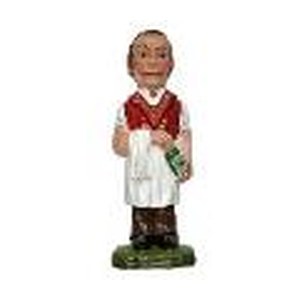
Therese Tobler
The Waiter, repainted by Therese Tobler.
Verena Broger
The Waiter in Verena Broger’s version, 2005.
From the collection
A look into Andy’s display cabinet with around 180 Syrocos.