LADY LEGS
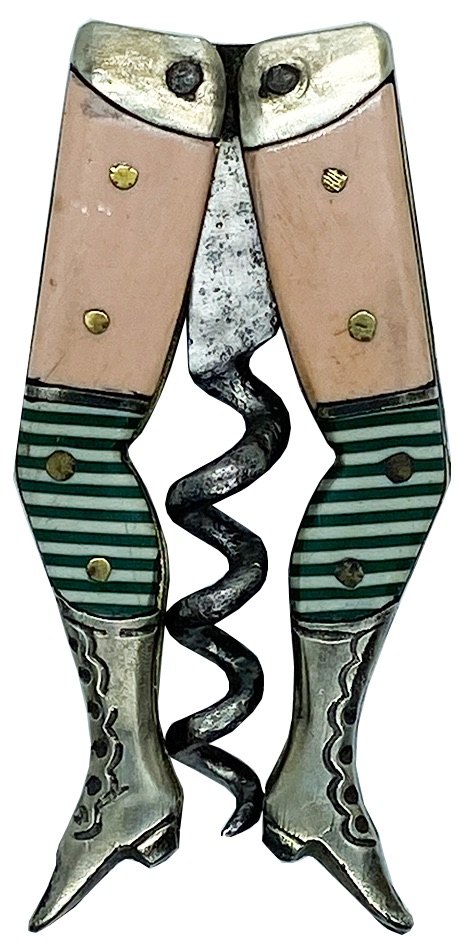
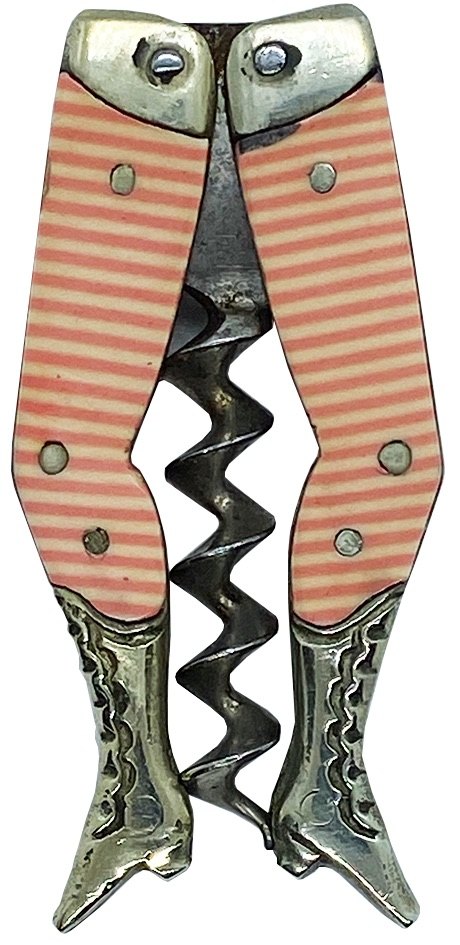
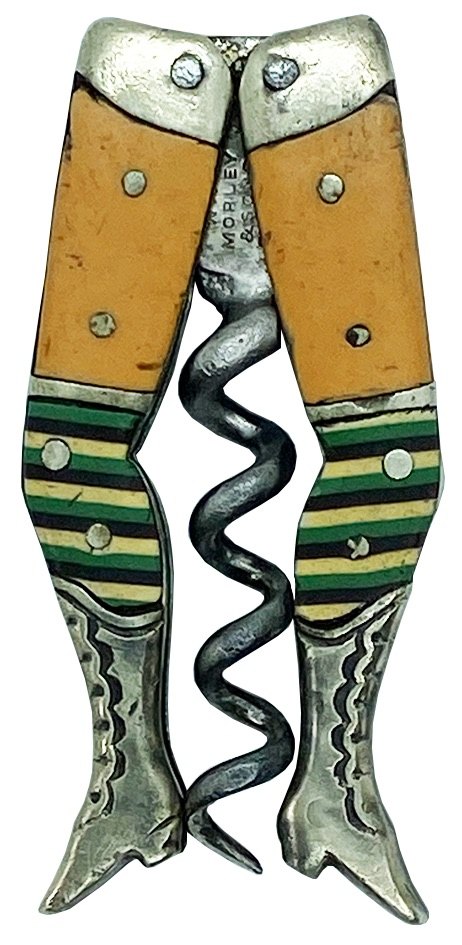
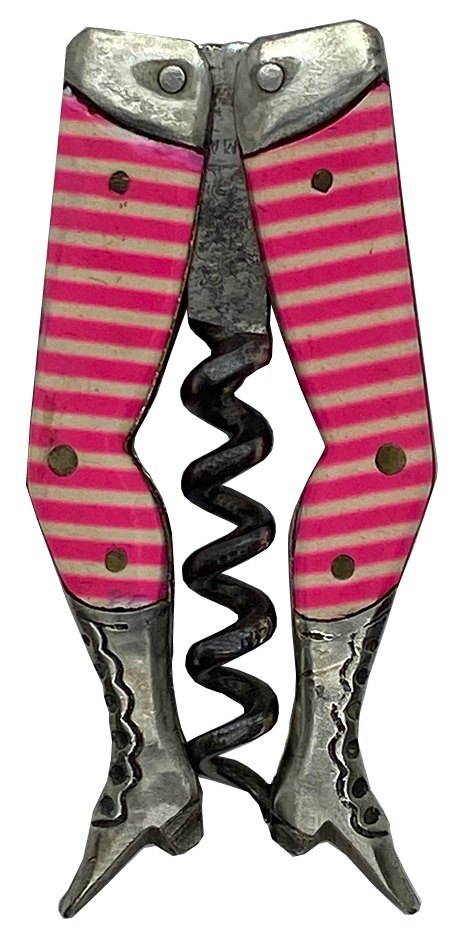
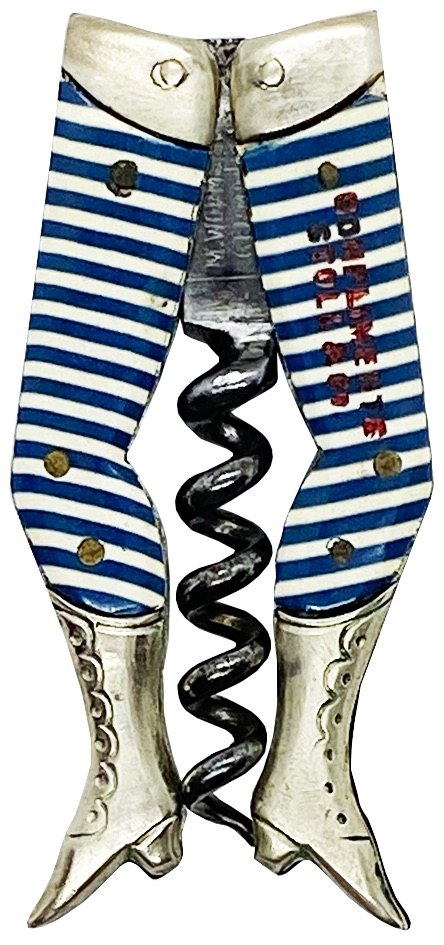
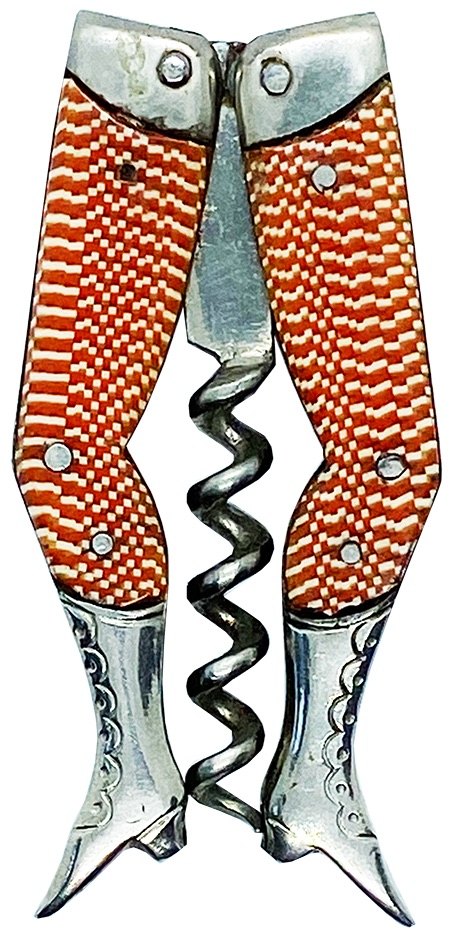
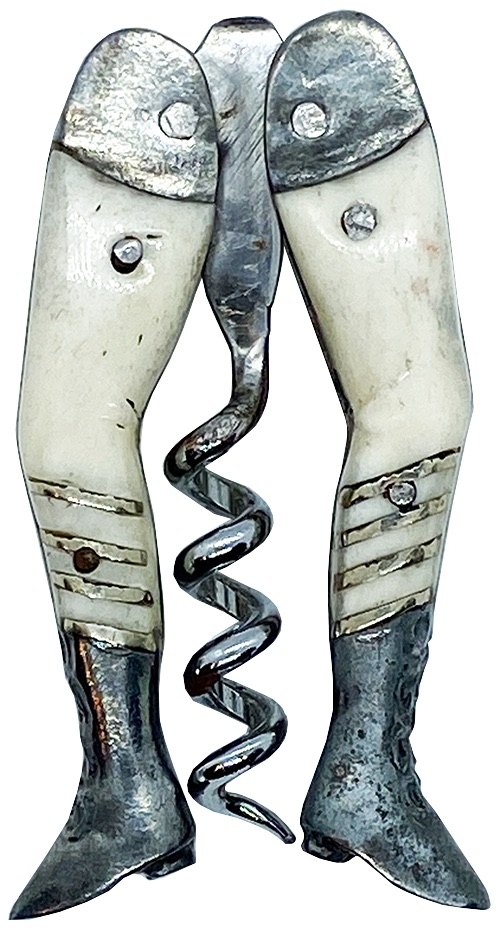
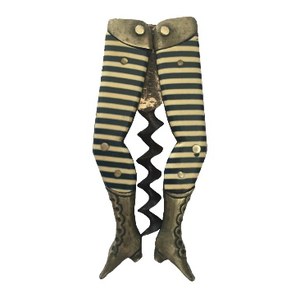
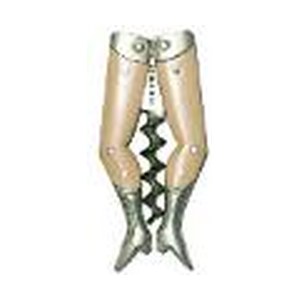
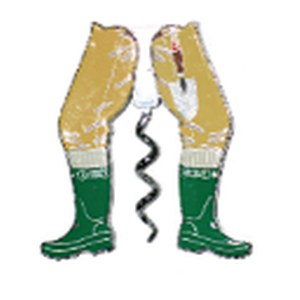
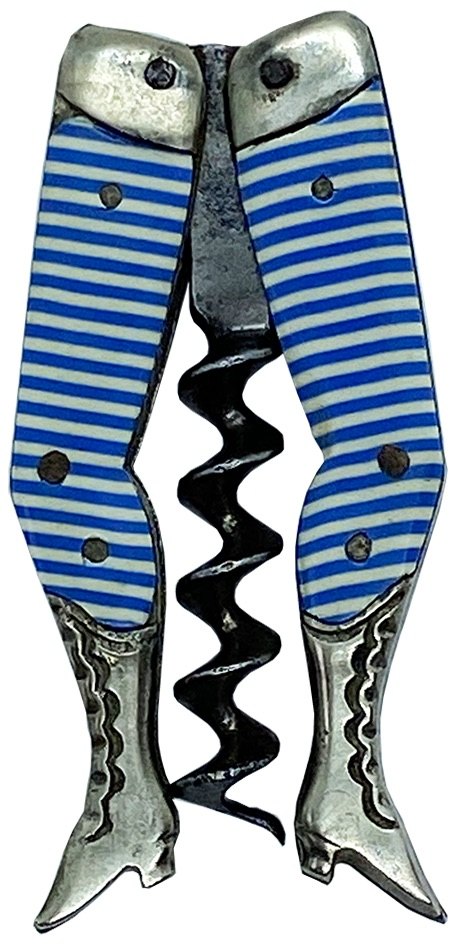
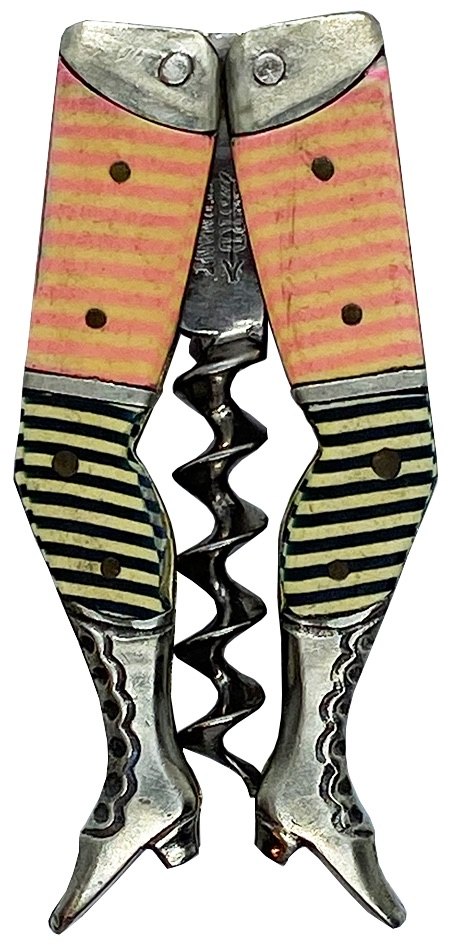
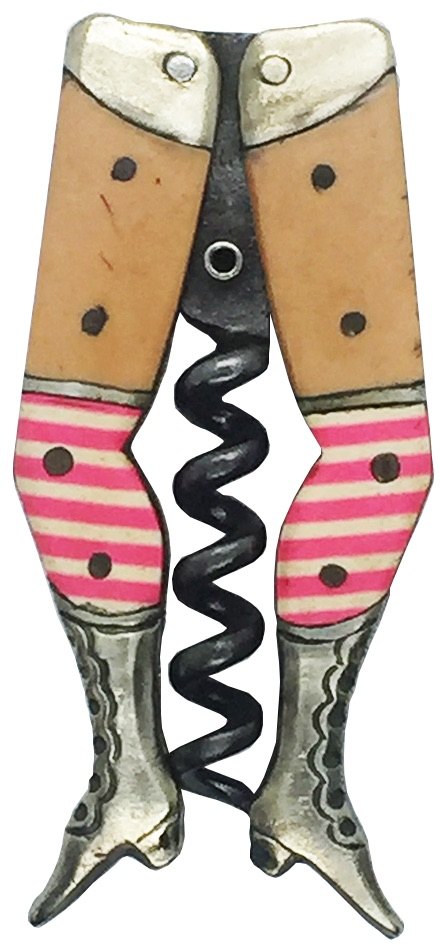
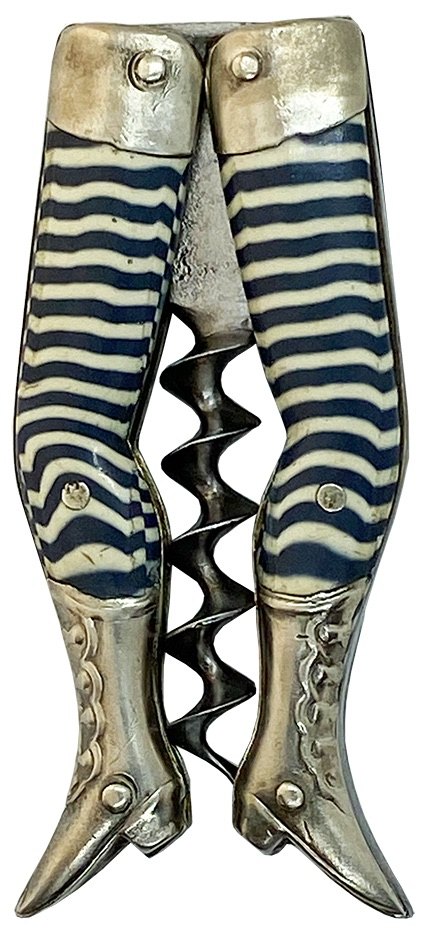
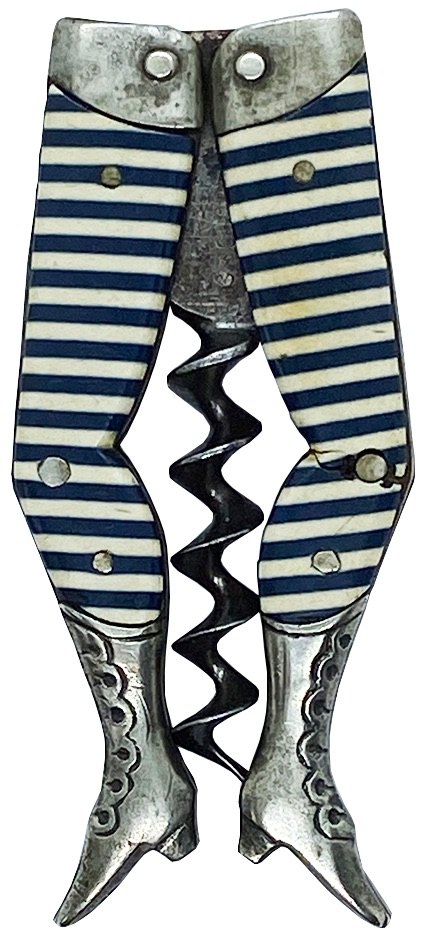
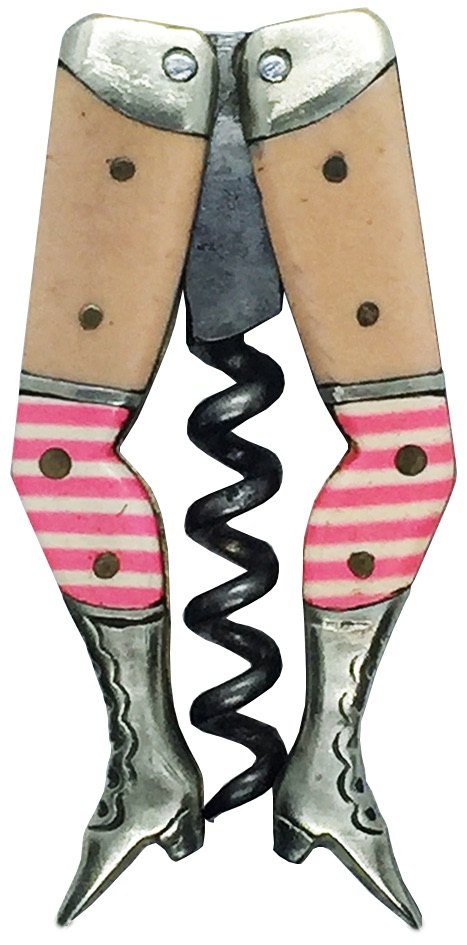
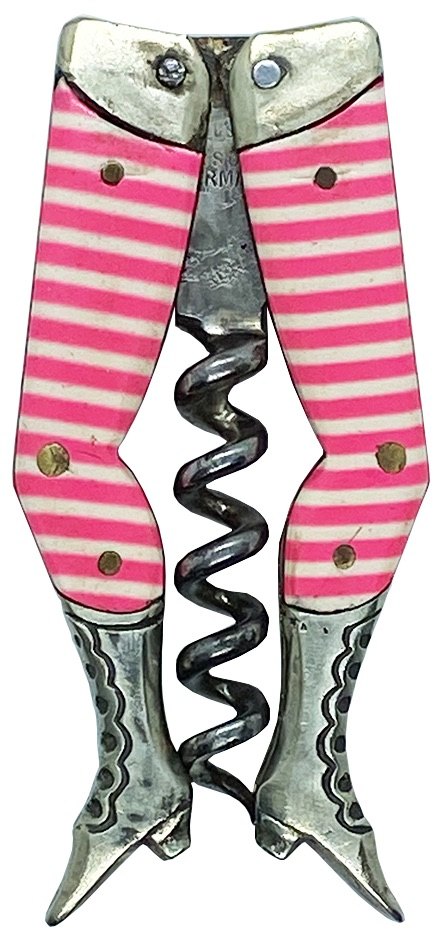
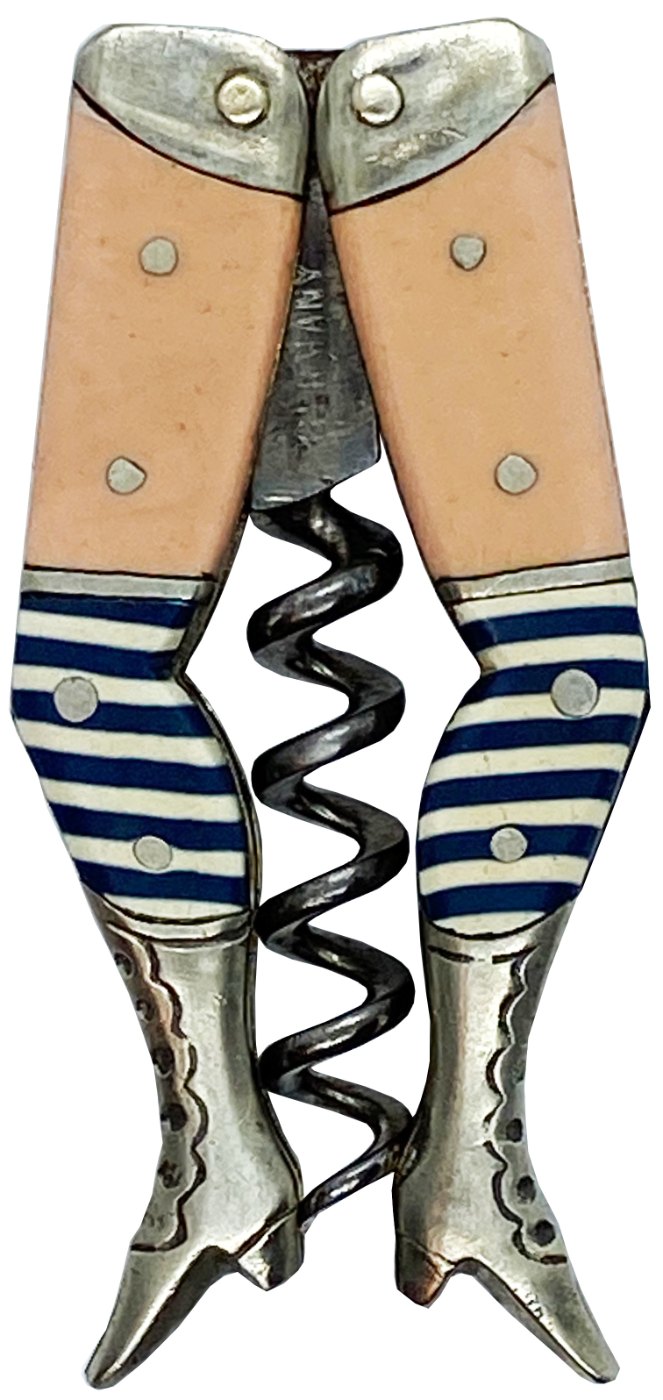
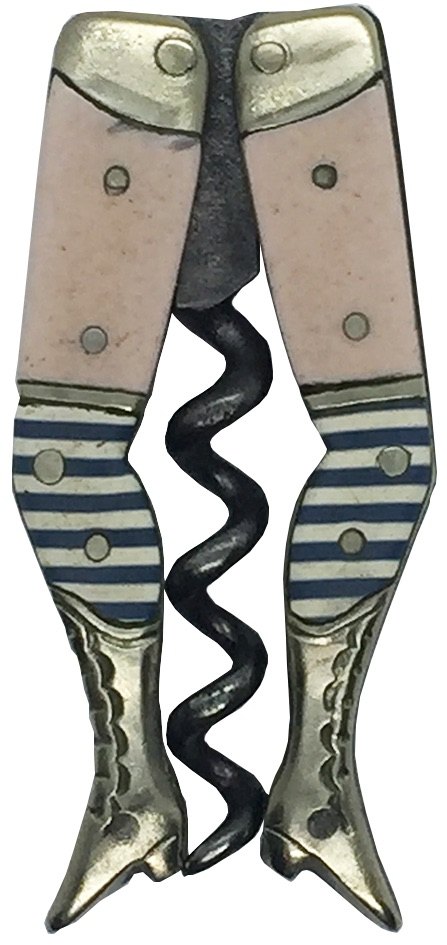
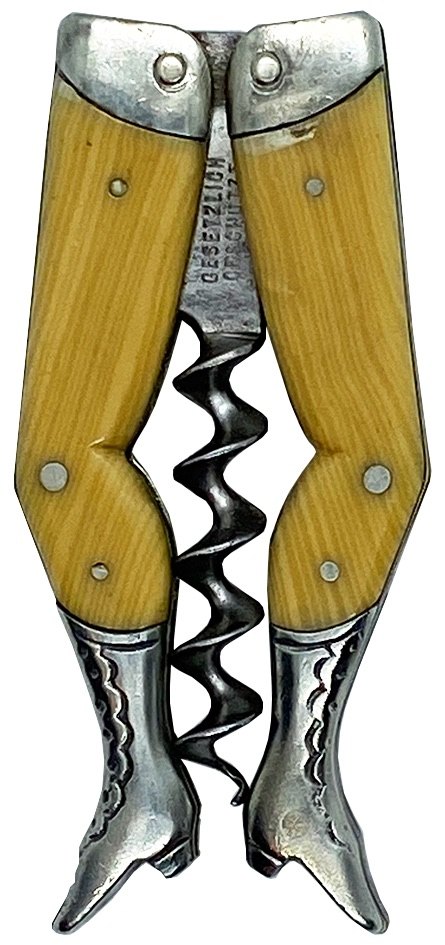
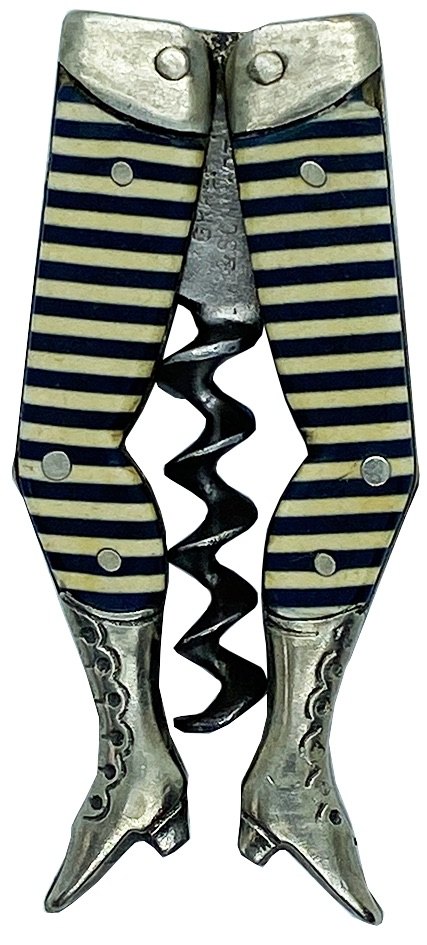
Ladies’ legs from Solingen – coquettish, colourful and astonishingly varied. Probably the most famous pocket corkscrews in the world.
A balancing act between tool and work of art
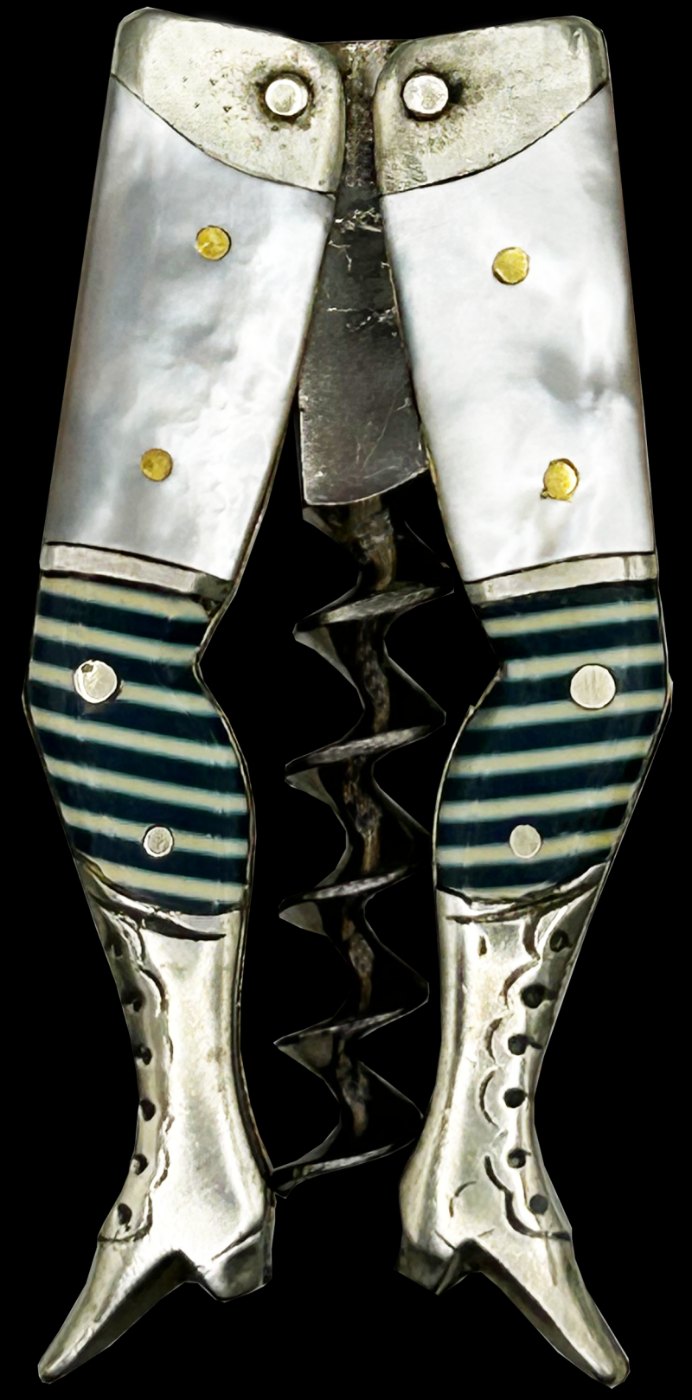
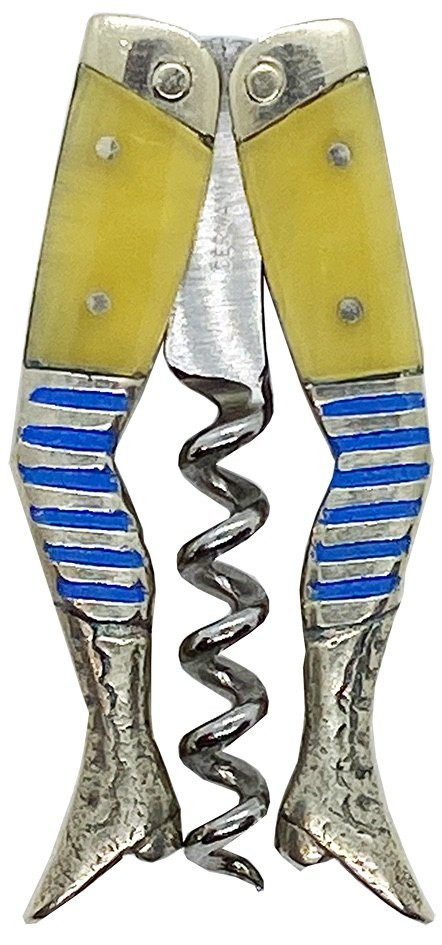
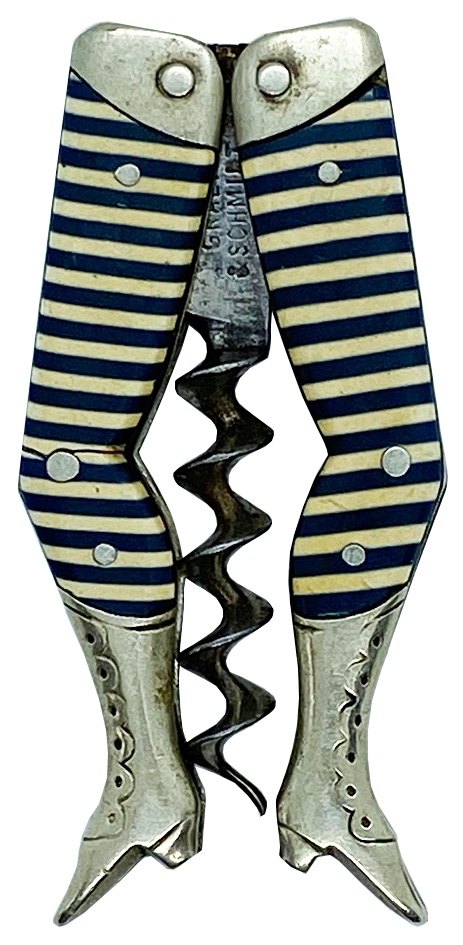
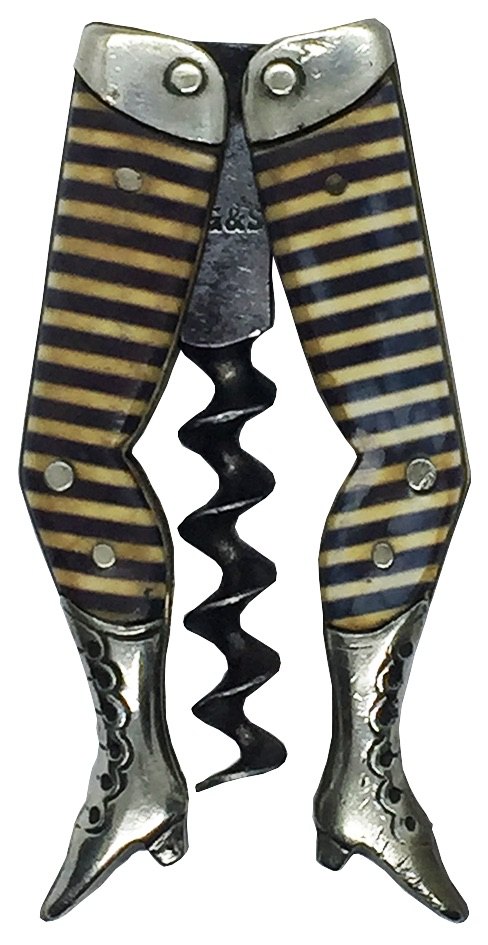
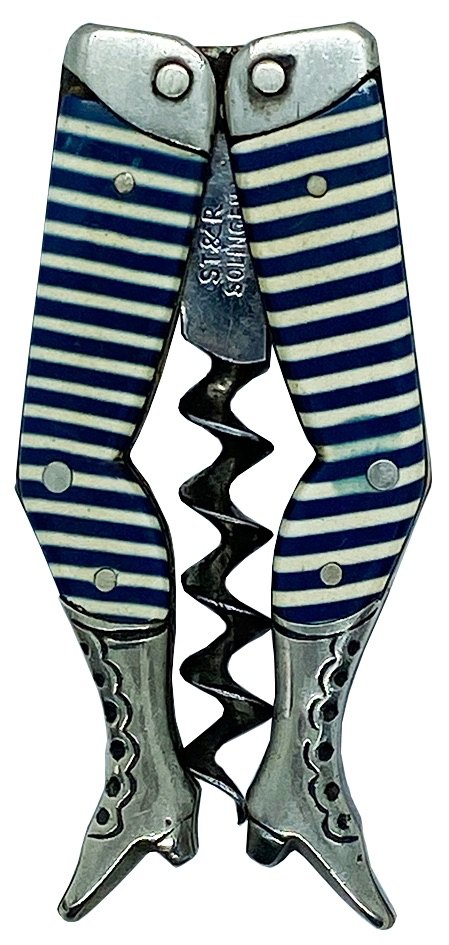
A steel body with a worm, encased in two cheeky legs in striped stockings – like the dancers of the cancan. The first pair joined the collection as early as 1989 (No. 111). Today there are around 135 – one of his great collecting areas, to which he devoted the book ‘Celluloid und Bakelit’.
The history at a glance
From the exploding billiard ball to the display cabinet in Appenzell.
Phelan & Collender offer 10,000 dollars for a substitute for ivory billiard balls.
 1870
The Hyatt brothers patent celluloid – the material of the later LADY LEGS.
 1880
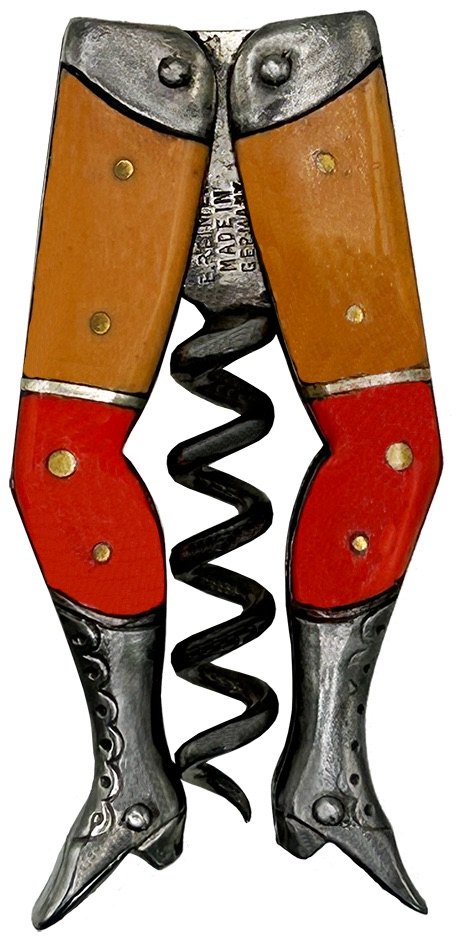
Ernst Reimer founds his knife factory at Burgstrasse 18 in Solingen.
 1894
Reimer and E. Steinfeld found Steinfeld & Reimer – on 1 January the lady’s leg is patented (No. 21718).
 1897
Ernst Lesser has the corkscrew shoes protected.
 1898
Carl Bewer patents the ‘Kissing Couple’; Reimer becomes sole owner.
 1907
Baekeland files for Bakelite – the first fully synthetic plastic.
 1920s
End of production – after the patent expired, J. A. Henckels and Peres, among others, made copies.
 1970s
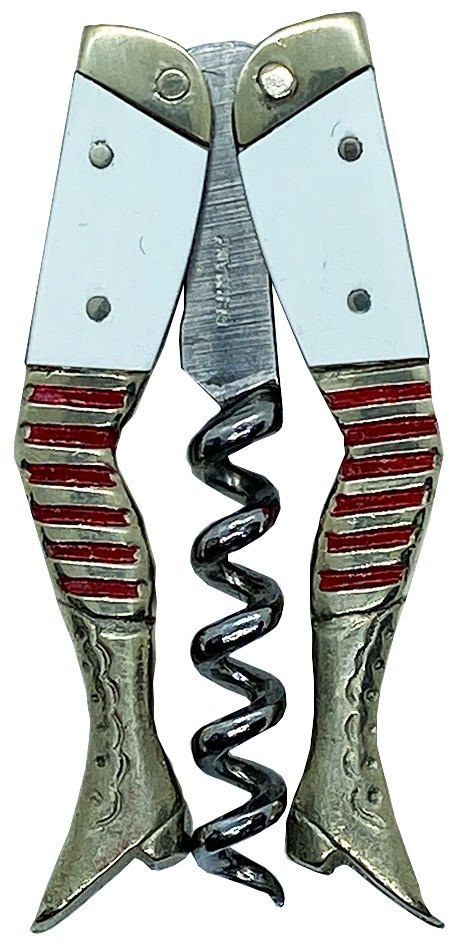
Reissues, for example by Manfred Heckmann / Dovo.
 1989
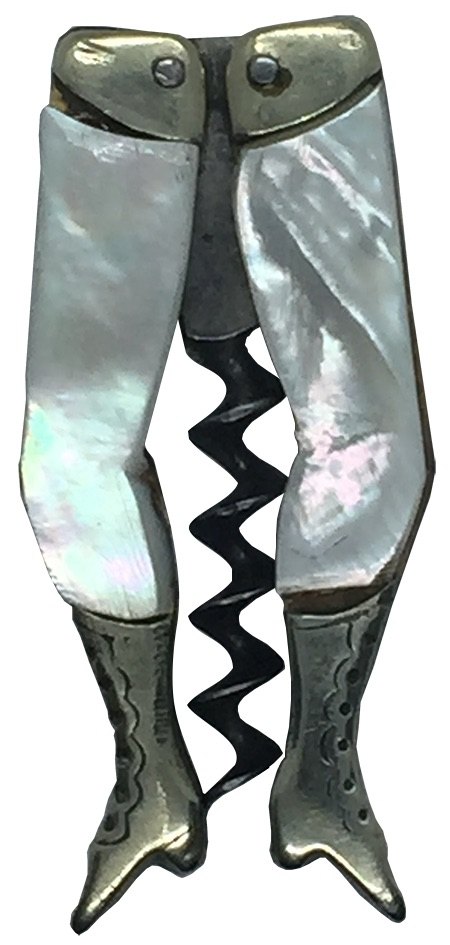
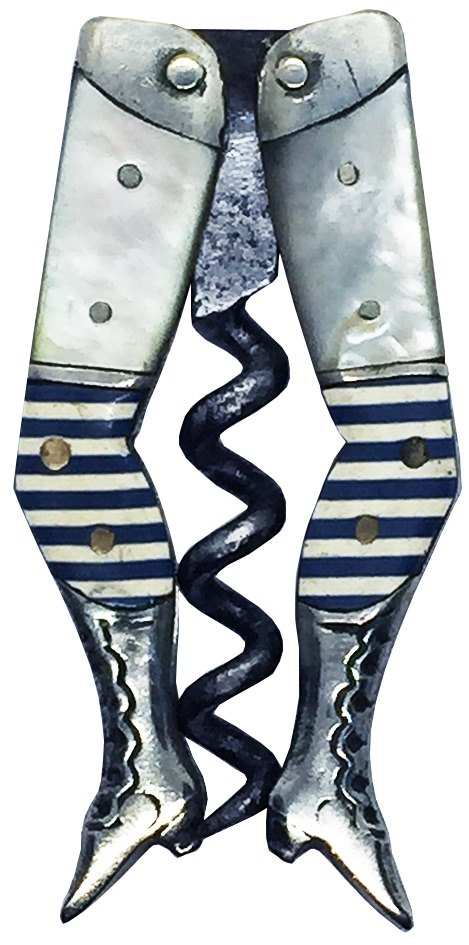
The first pair moves in with Andy: mother-of-pearl, blue and white, 6 stripes.
How to recognise them
Measure the size, check the material, count the stripes.
Two original sizes
small, more sought-after
standard
In Andy’s system, larger legs (8–9.5 cm) are without exception replicas.
Material and worm
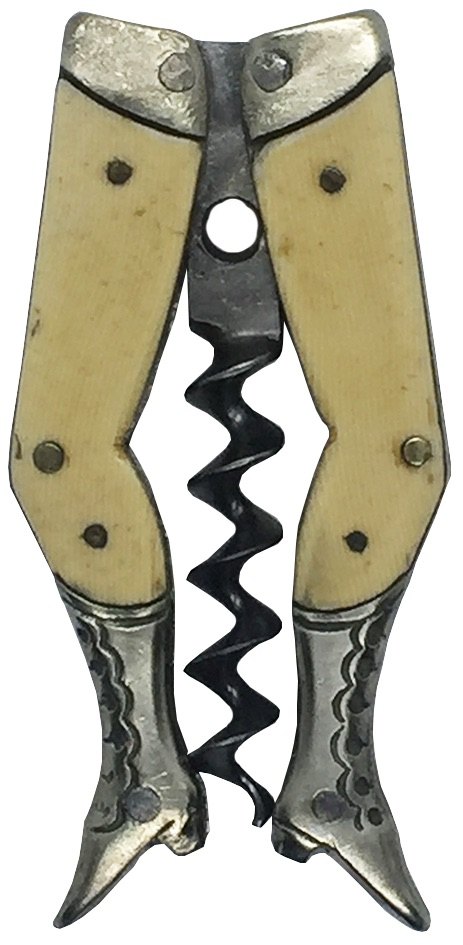
Steel body, encased in celluloid (most common), mother-of-pearl, nickel, brass or mother-of-pearl celluloid. The difference often lies in the worm: wire helix or bladed helix.
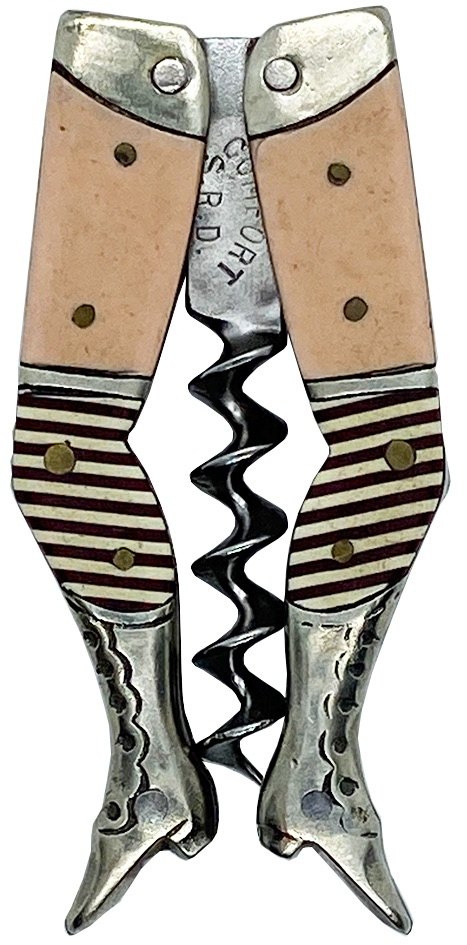
Five basic types: whole leg striped (common) · whole leg plain · all metal · plain leg with striped socks · leg and socks striped.
25 categories – Andy’s own system
Sorted by size, colour and number of stripes.
Mother-of-pearl, silver-decorated, champagne
Black-, blue-, red-, green-white
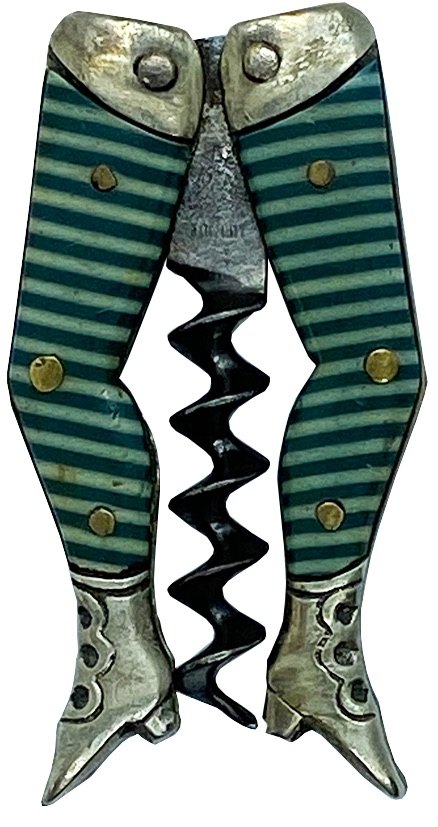
Light green-dark green
Green-yellow, blue-, green-white
Pink, white, curry, pistachio, mother-of-pearl
Red-brown, nickel, ivory, copper
Black-white
Red-, green-, blue-, black-white
Black-red, orange-red, pink-white
Burgundy-, brown-white, black-yellow
Red-, green-, blue-white
Burgundy-, blue-, red-white
Red-green-white, brown-black-white
Curry / red-white and many more
Red-white, black-white
Red-white
front and back different
Red-white, blue-white
Leg and socks white
34 stamps, 34 clues
A stamp reveals the maker and the dealer – sometimes even American breweries.
Graef & Schmidt was the New York agent of Zwilling J. A. Henckels · SRD stands for Severin R. Droeschler (1891–1924) · ST & R for Steinfeld & Reimer · Lunawerk for 1928–1948.
The relatives
What else in Solingen was given legs – or fins.
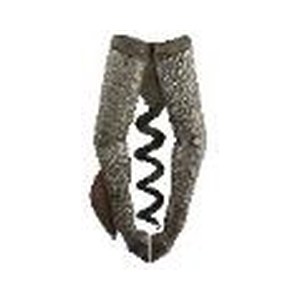
Horse Legs
Horses’ legs with hooves, also by Steinfeld & Reimer – grained in black, cream or green.
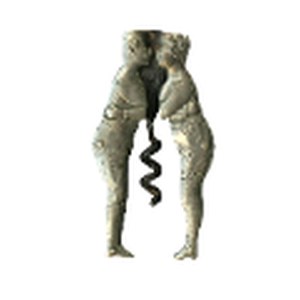
Kissing Couple
The kissing couple, patented by Carl Bewer in Solingen in 1898 – also in solid metal.
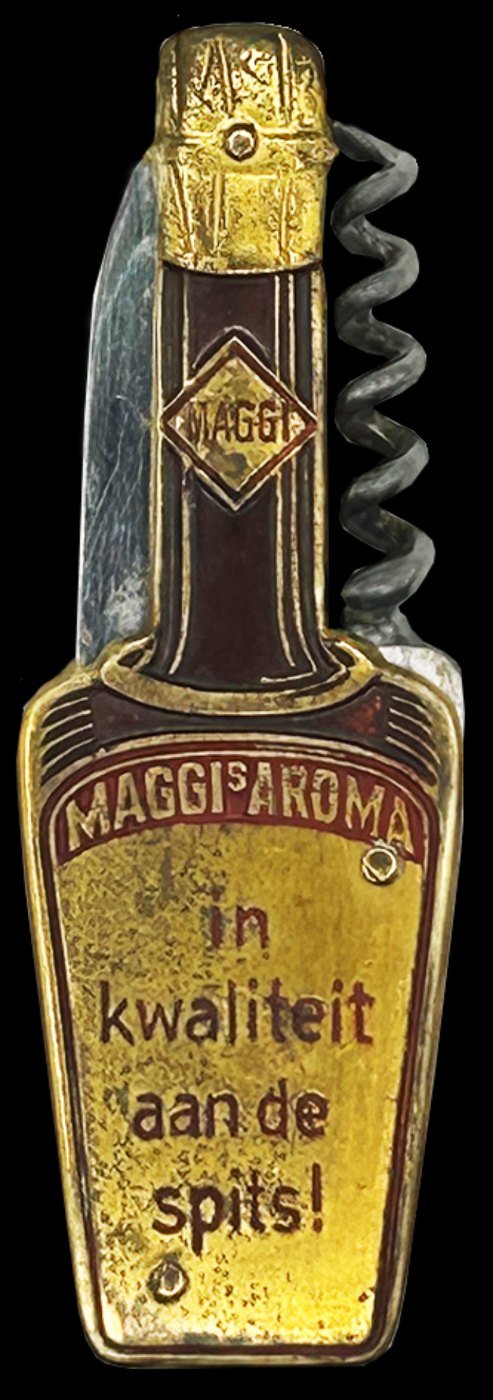
Mermaids
By Graef & Schmidt, with or without can opener – the folding one is marked ‘Ges. Gesch.’.
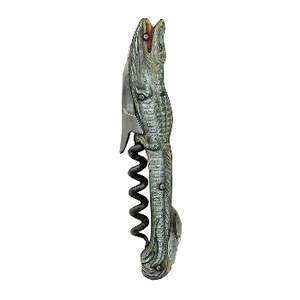
Alligator
Made in Germany, sold in America – through the US importer W. H. Morley & Sons.
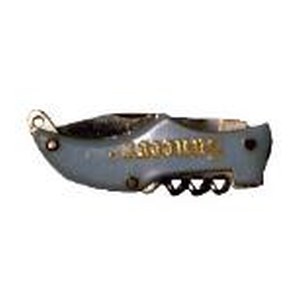
Shoes
Patented by Ernst Lesser in 1897, marked ‘Weyersberg & Son, Germany’.
Collector’s tips
How curiosity becomes connoisseurship.
Finds from Andy’s archive
An early centrepiece
Mother-of-pearl legs with blue-and-white stockings and 6 stripes – they joined the collection as early as 1989.
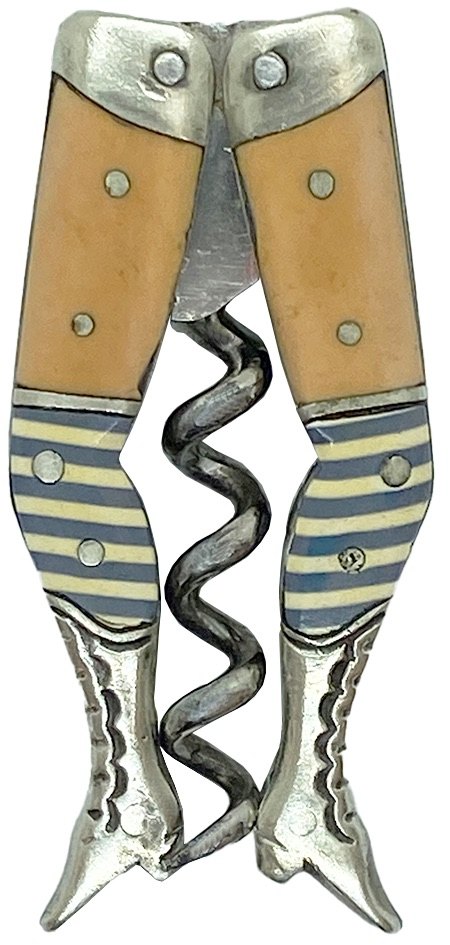
Lavender and white
There were even pastel shades: here a pair in lavender and white with 6 stripes.
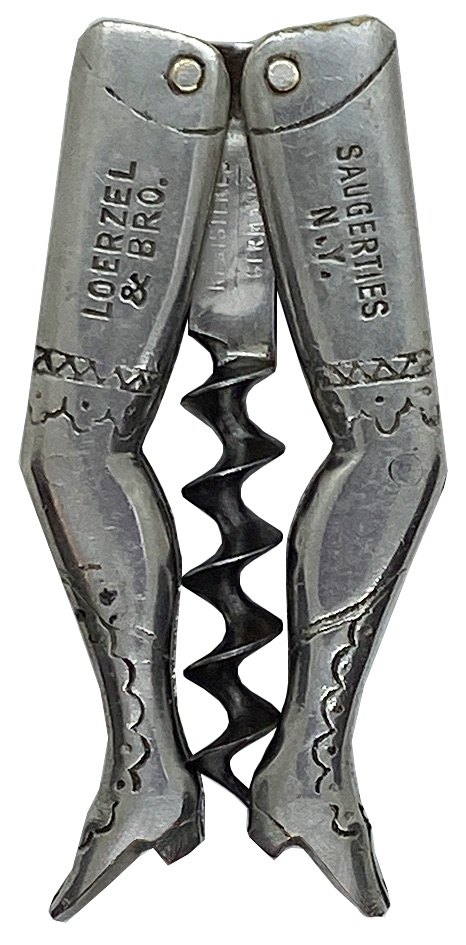
Silver, brass, bronze
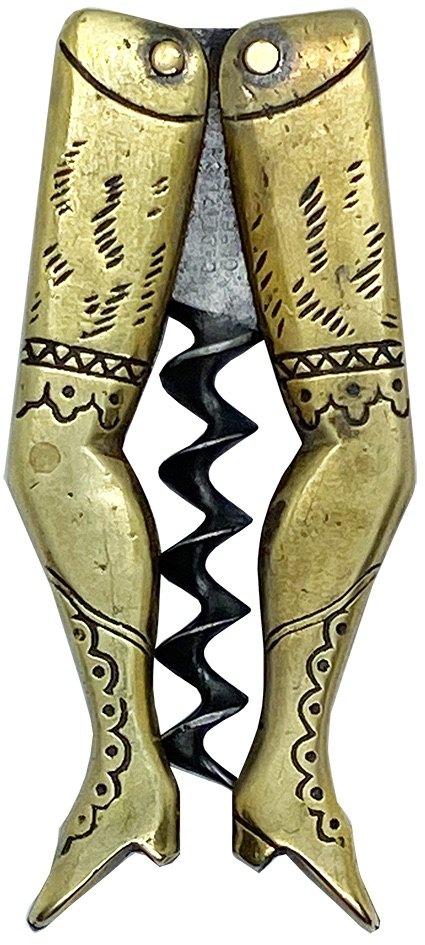
Besides celluloid there are all-metal legs in brass, silver-plated, in sterling silver and even in bronze.
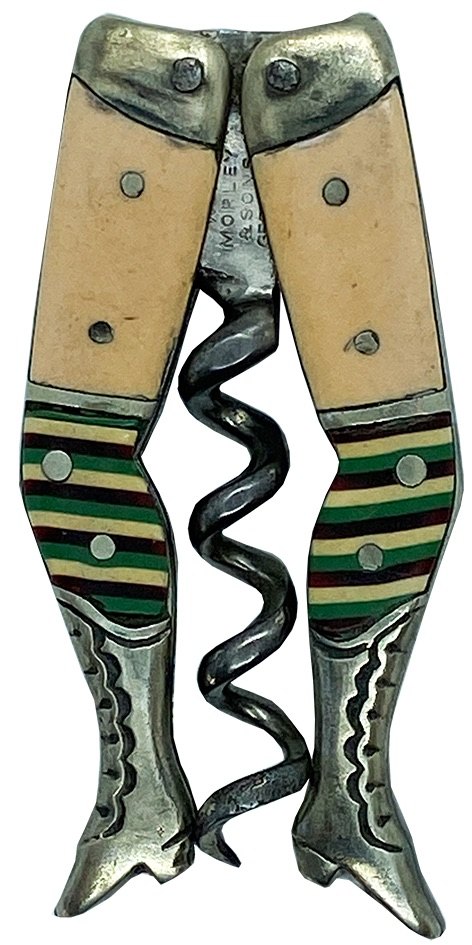
Beer and whiskey on ladies’ legs
American breweries and distilleries had their names stamped on the legs – an early advertising medium.
Billiard balls that exploded
In 1865 a substitute for ivory billiard balls was sought. The first attempts with collodion went off with a bang on impact – the end result was celluloid.
Camphor, worth its weight in gold
No camphor, no celluloid. The Chinese remedy reached Europe around the 11th century – and was worth its weight in gold.
From the collection
A look into Andy’s LADY LEGS display cabinet.